Quick Summary
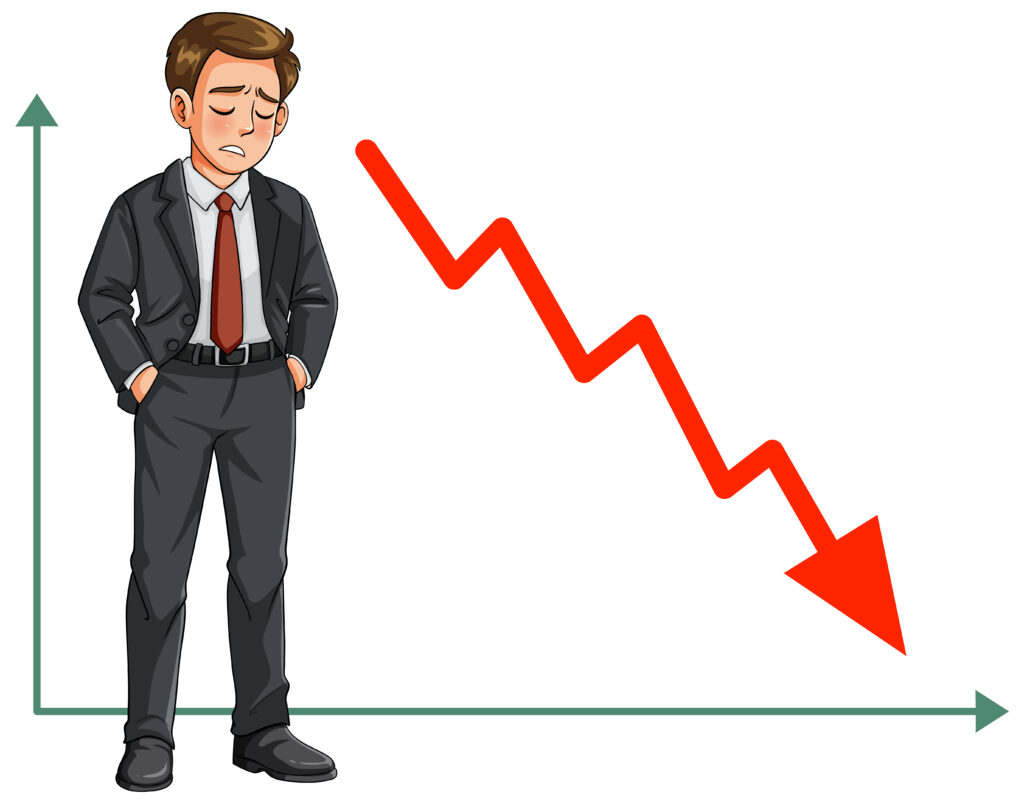
Demotion is the process of moving an employee to a lower rank or grade within an organization. This change usually involves fewer responsibilities, a lower pay scale, and a shift in reporting lines. It is often used as a final alternative to ending someone’s employment.
What is Demotion?
A demotion is a formal downward move within a company’s structure. You can think of it like a team captain being moved back to a regular player position. This transition usually happens because of ongoing performance issues, a major change in the company’s structure, or as a result of disciplinary action.
Unlike a lateral move, where an employee stays at the same level, or a promotion, where they move up, a demotion results in a decrease in status and authority. While it can be a difficult process for both the employer and the employee, it is often done to keep a person within the company in a role that better suits their current skills or situation.
Importance of Managing Demotion at Workplace
- Preserves Institutional Knowledge: Instead of losing a team member entirely through termination, a demotion allows the company to keep someone who already knows the business but might be struggling with the pressure of a more senior role.
- Encourages a Growth Mindset: When handled with dignity, it shows the team that the company cares about “right-fitting” people rather than just letting them go. It reinforces the idea that performance is about finding the right spot for everyone to succeed.
- Reduces Legal and Recruitment Costs: Hiring a replacement is expensive and time-consuming. Reassigning a current employee to a more suitable level can save the costs associated with external recruitment and onboarding.
- Protects Team Stability: Sudden departures can unsettle a team. A well-managed transition into a lower role can be less disruptive than a sudden vacancy, provided the communication is handled with sensitivity.
Key Types and Reasons for Demotion
Demotions generally fall into two categories, each requiring a different approach:
1. Involuntary Demotion- This is led by the employer for several reasons:
- Performance Gaps: The employee is unable to meet the goals of their senior role despite being given coaching and support.
- Disciplinary Issues: This is used as a serious response to a breach of company policy when the company wants to provide a final chance instead of termination.
- Structural Changes: If a department is downsized or a specific senior role is no longer needed, a lower position might be offered as an alternative to a layoff.
2. Voluntary Demotion- Sometimes, an employee may ask to step down. Common reasons include:
- Work-Life Balance: Wanting fewer responsibilities to focus on family, health, or personal education.
- A Desire to Return to Technical Work: An employee may find that they prefer “hands-on” work over the administrative or people-management duties of a senior role.
- Reducing Stress: Choosing to leave a high-pressure leadership spot to avoid burnout.
Steps for a Professional Demotion Process
To ensure the transition is fair and professional, HR should follow these steps:
- Hold a Private Meeting: Never share news of a demotion in a group setting or via a cold email. Have a face-to-face conversation to explain the reasons clearly. Use documented facts from previous performance reviews to keep the talk objective.
- Highlight the Value of the Employee: Make it clear that the goal is to keep them on the team. Explain that the new role is a chance for them to succeed and contribute in a way that better matches their current strengths.
- Define the New Terms Clearly: Provide a written document that outlines the new job title, the specific duties, the new manager, and any changes to salary or benefits. Ensure that any pay adjustments follow the company’s official wage guidelines.
- Manage the Team Communication: Handle how the news is shared with the rest of the office with extreme care. It is often best to describe the change as a “realignment of roles” to protect the individual’s professional reputation.
Best Practices for HR Teams
- Use a PIP First: If the demotion is due to performance, it should only be considered after a Performance Improvement Plan (PIP) has been completed and the employee has been given a fair chance to improve.
- Offer Training: If the person is moving to a different type of role, provide them with the resources or training they need to do well in their new position.
- Document Everything: Ensure that any change in pay or status is added as a signed amendment to the original employment contract. This protects the company from future legal disputes.
Maintain Privacy: Keep the specific reasons for the demotion strictly confidential. The rest of the team only needs to know about the change in responsibilities.
FAQs
1. Is it legal to reduce an employee’s salary during a demotion?
Yes, it is generally legal if the demotion follows the terms of the employment contract and company policy. However, the new salary must still meet all local minimum wage laws and the change must be documented properly in writing.
2. How is demotion different from termination?
Termination is the final step where the relationship between the company and the employee ends. A demotion is an attempt to save the relationship by finding a role where the employee can still provide value at a different level.
3. Can an employee refuse to be demoted?
An employee has the right to decline a demotion. However, if the demotion was offered as an alternative to being fired for poor performance, the company may move forward with the original termination process if the employee refuses the new role.
4. Should I explain the reasons for the demotion to the whole team?
No. Performance and disciplinary details are private. You should only share the new reporting structure and functional changes with the team to keep operations running smoothly.
5. Does a demotion look bad on a resume?
Not necessarily. Many professionals choose to take “lower” roles to pivot their careers or find a better work-life balance. How it is framed by the employee and the company makes a big difference.