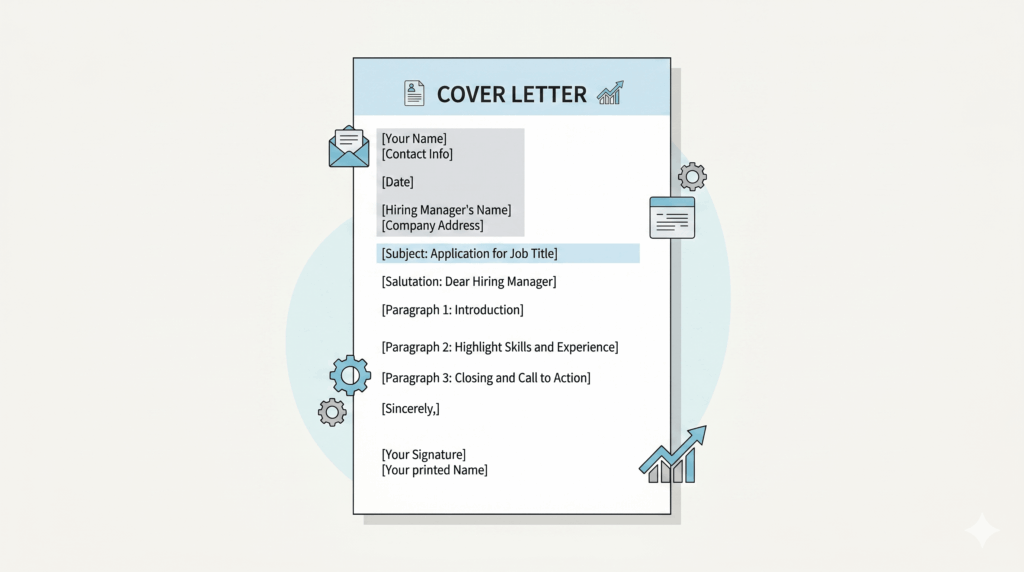
Quick Summary
A cover letter is a short, professional letter that a candidate sends alongside their resume. It acts as an introduction, explaining why they are interested in a specific job and how their background makes them a good match for the organization.
What is a Cover Letter?
While a resume is a factual list of where someone has worked and what they studied, a cover letter is about the story behind those facts. It is a one-page document that gives a candidate the chance to speak directly to the hiring team before an interview even happens.
In a cover letter, an applicant can highlight their most relevant achievements and explain their motivation for applying. For the employer, it is a great way to see how well the person communicates and how much effort they have put into researching the company. It essentially connects a candidate’s past experience to what they can do for the company in the future.
Why Cover Letters are Important for HR
For recruiters and hiring managers, a cover letter is a practical tool for finding high-quality talent. It remains relevant for several reasons:
- It shows genuine interest: A personalized letter shows that a candidate is specifically interested in your company. It helps separate those who are mass applying from those who truly want to join your team.
- It explains career changes: Resumes do not always show why someone changed industries or has a gap in their work history. A cover letter allows the candidate to explain these transitions clearly, so you don’t have to guess.
- It tests communication skills: Many roles require clear writing and professional interaction. The cover letter serves as a real world test of a candidate’s ability to organize their thoughts and express them professionally.
- It highlights cultural fit: By reading the tone and the values mentioned in the letter, you can get an early sense of whether the person will work well with your existing team.
- It saves time during screening: A strong letter summarizes a candidate’s value quickly. This helps you decide whether it is worth spending time reading their full resume or moving them to the next round.
Common Types of Cover Letters
Depending on the situation, you may see different styles of letters in your inbox:
- Standard Application Letter: This is written for a specific job opening and focuses on how the candidate meets the requirements listed in the job post.
- Referral Letter: This is used when a candidate has been recommended by a current employee or a mutual contact, which often builds immediate trust.
- Letter of Interest: This is sent by someone who wants to work for the company even if there is no current job opening. It shows they are proactive and focused on your brand.
- Value-Based Letter: This version focuses heavily on data and specific results the candidate has achieved, which is common for senior or technical positions.
What to Look for in a Strong Cover Letter
When you are reviewing applications, look for these signs of a well prepared letter:
- Real Personalization: The letter should mention your company by name and ideally reference a specific project or a goal your company has.
- Clarity and Brevity: A good candidate respects your time. The letter should be easy to read and usually no more than three or four short paragraphs.
- Focus on the Company: The letter should explain how the candidate’s skills will help your company, rather than just talking about what they want for their own career.
- Professional Tone: The language should be respectful and appropriate for your industry, showing that the person understands professional boundaries.
Best Practices for HR Teams
- Use it as a tie-breaker: If you have two candidates with similar resumes, use the cover letter to see who has put more thought into their application.
- Keep it optional: Making a cover letter mandatory can sometimes stop good people from applying. Making it “optional but recommended” helps you see who is willing to put in the extra effort on their own.
- Check for attention to detail: Look for small mistakes, such as the wrong company name or job title. These are often signs that the candidate is just using a generic template.
- Look for the “Human” side: Use the letter to find personal stories or specific reasons for applying that you won’t find on a standard resume.
FAQs
1. Are cover letters still necessary in 2026?
Yes, especially for roles where communication or leadership is important. They provide a level of detail and personality that a resume alone cannot provide.
2. How long should a cover letter be?
It should stay under one page. A length of 250 to 400 words is usually enough to introduce the candidate and explain their fit without taking up too much of your time.
3. Is it okay if a candidate uses a template?
Using a basic structure is fine, but the content should be customized. A letter that feels like a generic “copy and paste” usually means the candidate is not very invested in the specific role.
4. Can a cover letter be the body of an email?
Yes, this is very common now. An email cover letter is often more convenient to read and is considered perfectly professional in most industries.
5. Should I reject a candidate if they don’t include a cover letter?
Not necessarily. If their resume is an excellent match, you should still consider them. However, if you are stuck between two similar candidates, the one who took the time to write a letter often shows more initiative.