Quick Summary
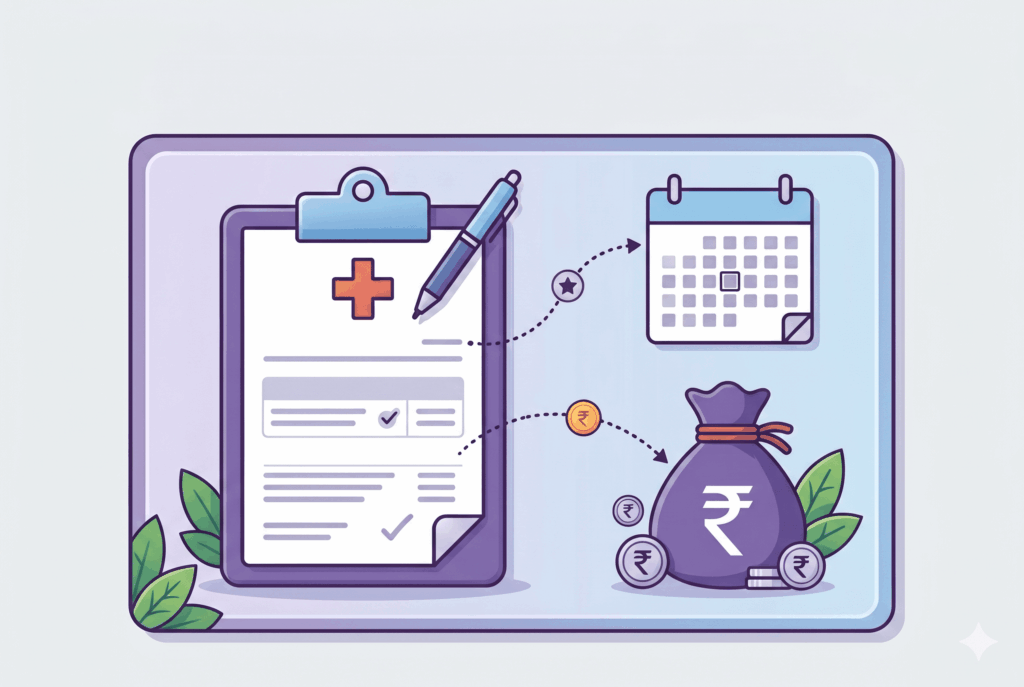
A premium is the specific amount of money an individual or an employer pays regularly to an insurance company to keep an insurance policy active and maintain financial coverage.
What is a Premium?
An insurance premium is essentially the subscription fee for your financial safety net. When you buy a policy, the insurance provider agrees to take on your financial risks, such as high medical bills or accident costs. In return, you commit to paying a fixed cost, which can be charged monthly, quarterly, or annually.
Paying the premium is your primary legal obligation under the insurance contract. If you fail to pay this amount within the specified timeframe, your policy will lapse, meaning the insurance company will no longer be responsible for covering your losses or settling your claims.
Importance of a Premium
- Keeps Coverage Active: Regular premium payments ensure that your insurance shield is always valid and ready to use during emergencies.
- Guarantees Claims Payout: It locks in the legal commitment of the insurance company to honor and pay out the agreed sum insured when a valid claim arises.
- Provides Cost Predictability: Allows individuals and employers to budget a fixed, known cost for healthcare instead of risking sudden, catastrophic out-of-pocket expenses.
Factors That Influence Premium Rates
- Age and Health History: Younger individuals generally pay lower premiums, while older individuals or those with pre-existing conditions face higher rates due to increased medical risks.
- Sum Insured: The higher the total coverage limit or benefit amount you choose for the policy, the higher the premium will be.
- Lifestyle Choices: Habits like smoking or engaging in high-risk adventure sports can increase premium costs because they elevate the likelihood of a claim.
- Group Size and Past Claims (For HRs): For corporate policies, the total number of employees enrolled and the company’s past claim history directly dictate the premium price quoted by the insurer.
Best Practices for HR Teams
- Monitor Corporate Claim Ratios: Track how heavily your employees are utilizing the policy. A high claim ratio this year can lead to a steep premium increase during the next renewal cycle.
- Explore Co-payments to Lower Costs: If the corporate premium is getting too expensive, consider introducing a minor co-payment clause for specific groups (like parents of employees) to keep the base premium affordable.
- Prevent Policy Lapses: Set up calendar alerts well in advance of the policy expiration date to ensure corporate renewal premiums are processed on time, avoiding a dangerous gap in employee coverage.
FAQs
1. Can an insurance premium change in the middle of a policy year?
No, once an insurance policy is issued, the premium amount is locked in and cannot be changed by the insurance provider for that specific policy term.
2. What is a premium grace period?
It is an extra window of time (usually 15 to 30 days) provided by the insurer after the official due date, allowing you to pay the premium without your policy getting immediately canceled.
3. Are premiums paid for health insurance eligible for tax benefits?
Yes, for individuals buying personal health policies, the premiums paid qualify for tax deductions under Section 80D of the Income Tax Act. However, company-sponsored group insurance premiums are handled as business expenses by the employer.
4. Why did my insurance premium go up even though I didn’t file a claim?
If you haven’t filed a claim and still the premium increased, its probably due to these external factors:
– Inflation: The cost of labor, medical care, or car parts has increased.
– Location Risk: Your area might have seen a spike in natural disasters or crime.
– Market Adjustments: If the insurance company paid out more in total claims than expected across all customers, they may raise rates for everyone to stay solvent.