 Payal Agarwal
 June 30, 2026
 9 min read
 10
10Table of Contents
Someone in your team wakes up with a fever on a Tuesday. To actually see a doctor, they have to find a clinic, book a slot, travel across the city, sit in a crowded waiting room, and lose half a working day. So they do what most people do. They skip it, take a tablet from the medicine box at home, and push through the week.
Now multiply that by the size of your team.
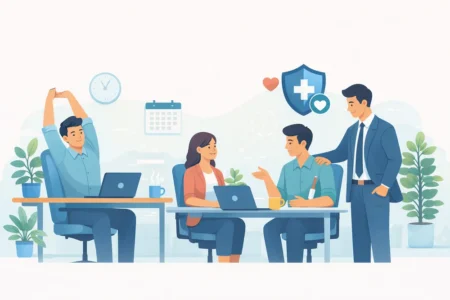
What you get is a quiet culture of presenteeism, where people are physically logging into work while sick but performing at a fraction of their normal capacity. Over time, those small, ignored health issues eventually grow into much bigger complications because nobody saw a doctor early. For your organization, this directly translates into a compounding cycle of sudden days lost due to sick leaves and a massive hit to overall team productivity.
The barrier was never that your people don’t care about their health. It is that getting care takes time, effort, and money they would rather not spend.
This is the gap telehealth is built to close. In this blog, we will break down exactly what a holistic telehealth ecosystem looks like, explore the core pillars that make it work, examine why virtual care is absolutely essential for modern teams across India, and show you how the right product can seamlessly bring these medical facilities straight to your workforce.
What is Telehealth?
If you think telehealth is just online doctor consultations, there is a lot more to it. Telehealth is the use of digital information and communication technologies to access healthcare services remotely and manage your health from a distance. It relies on a wide network of tools you use every day, including computers, mobile cameras, videoconferencing apps, the internet, and wireless or satellite communications.
It is a complete digital ecosystem built to handle everything from routine checkups to complex healthcare administration. To see just how varied it can be, look at some common examples of telehealth in action:
- Virtual Visits: A quick video chat or phone call with a healthcare provider to diagnose a sudden cold, flu, or skin rash without leaving your desk.
- Remote Patient Monitoring: Wearing a smart device or sensor at home that measures your heart rate, blood pressure, or blood sugar levels and automatically sends that data to your provider.
- Secure Medical Messaging: Sending your doctor a direct question or a request for a prescription refill through your electronic health record (EHR) portal.
- Digital Health Education: Watching an online instructional video sent over by your clinic to learn how to properly use a medical tool, like an asthma inhaler.
- Preventive Reminders: Receiving an automated email, text, or phone alert reminding you that it is time to schedule an annual cancer screening or health checkup.
- Advanced Remote Procedures: A specialized surgeon utilizing remote robotic technology to perform an intricate procedure on a patient located in an entirely different city or hospital.
- Smart Caregiver Alerts: Utilizing specialized home sensors that automatically notify family members or medical teams if a person with dementia leaves the house safely.
Also Read: OPD cover in group health insurance
Telehealth vs Telemedicine vs Teleconsultation: What is the Difference?
Because these terms are frequently used interchangeably in conversation, it is easy to get confused. However, they are not exactly the same and the difference is worth knowing before you choose anything for your team.
Telehealth
This is the broadest term of all. Telehealth encompasses the entire spectrum of technologies used to support remote healthcare. It does not just mean clinical treatment. It includes non-clinical services as well, such as health tracking apps, digital administrative dashboards, online medical training for staff, public health education videos, and automated text reminders for health screenings.
Telemedicine
Telemedicine sits directly inside the telehealth umbrella, but it focuses strictly on remote clinical care. It is the active practice of medicine from a distance using an electronic interface. This includes any scenario where a medical professional diagnoses, monitors, or treats a physical condition remotely, such as a specialist reviewing a digital X-ray from a different city.
Teleconsultation
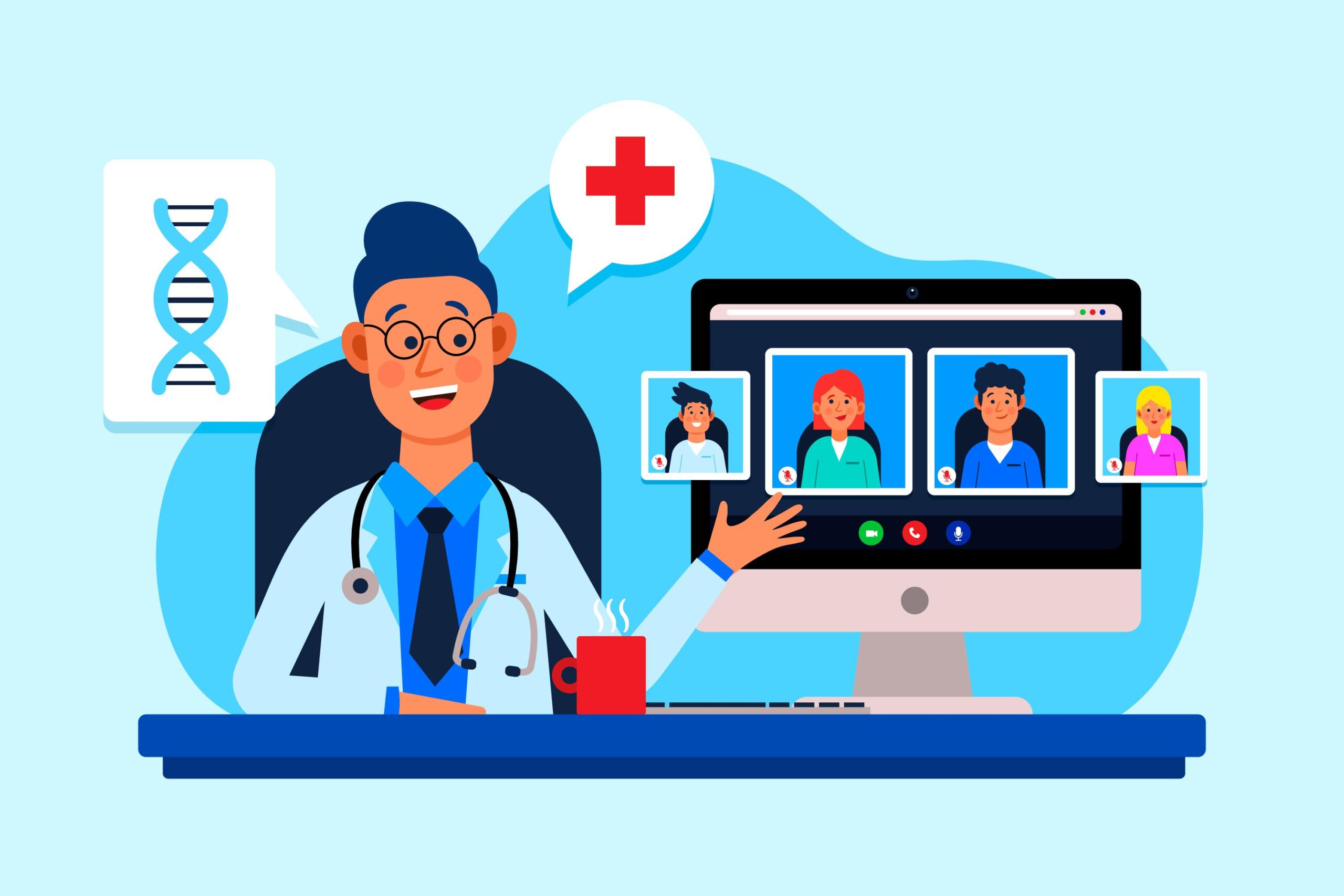
Teleconsultation is a specific, real-time slice of telemedicine. It refers exclusively to the live communication or virtual appointment between a healthcare provider and a patient. When a team member uses a digital link to have a face-to-face video discussion with a physician about their symptoms and receives a valid digital prescription at the end of the call, they are having a teleconsultation.
Why Modern Indian Teams Urgently Need Telehealth
The Indian corporate landscape is unique. We have teams working across different time zones, developers pulling late nights, sales teams travelling constantly, and remote employees logging in from Tier 2 and Tier 3 cities.
Here is why a holistic telehealth strategy is a massive win for Indian organizations:
Overcoming Geographical Barriers
Great talent is everywhere, from metropolitan hubs to remote towns. However, quality healthcare infrastructure is still largely concentrated in major cities. Providing your entire workforce with telehealth ensures that a remote software engineer living in a smaller town gets the exact same high-quality medical advice as an executive sitting in an office in Mumbai or Bengaluru.
Beating the Indian Traffic and Waiting Room Fatigue
Let us be realistic, travelling to a clinic in any major Indian city is a project in itself. A routine doctor’s visit can easily swallow up half a working day. Telehealth completely removes the commute. An employee can consult a doctor during a break, get a digital prescription, and get right back to their day without stress.
Destigmatizing Mental Health Support
Mental wellness is finally getting the attention it deserves in the Indian corporate world. However, many employees still hesitate to seek help due to social stigmas or privacy concerns. Online therapy offers a safe, entirely confidential environment. Employees can speak to licensed psychologists from the comfort and privacy of their own homes, without worrying about judgment.
Encouraging Preventive Healthcare
Most people in India only visit a doctor when they are too sick to function. Telehealth lowers the barrier to entry for healthcare. Because jumping on a call is so easy, employees are much more likely to consult a doctor early on when symptoms first appear. This preventive approach stops minor ailments from escalating into serious illnesses that require prolonged sick leave.
Comparing Traditional Healthcare vs Telehealth-Enabled Healthcare
| Feature | Traditional Corporate Healthcare | Telehealth-Enabled Healthcare |
| Accessibility | Limited to local empanelled hospitals and clinics. | Available anywhere in India, 24/7, right on your phone. |
| Time Investment | 3 to 4 hours per visit, including travel and waiting time. | 15 to 20 minutes from booking to consultation. |
| Mental Health | Hard to access, expensive, and lacks privacy. | Discrete, highly accessible online therapy sessions. |
| Chronic Disease Management | Requires frequent physical follow-ups and manual tracking. | Seamless tracking via apps with remote doctor reviews. |
| Cost to Employee | High out-of-pocket expenses for OPD consults. | Often free or deeply discounted through team plans. |
How Skipping Telehealth Hikes Your Group Health Insurance Premiums
Ignoring preventive care sets a costly financial trap for your Group Health Insurance. Without easy access to a doctor, employees ignore minor illnesses until they escalate into severe complications that require hospital admission. What could have been treated early with a quick virtual call turns into a massive hospital claim that ruins your company’s claim history. Insurers analyze these claims during your yearly renewal cycle, view your workforce as high-risk, and aggressively hike your next premium. Telehealth acts as a vital first filter, keeping manageable illnesses out of the hospital and keeping your insurance renewals affordable.
Also Read: Group health insurance renewal in India
Understanding the Limitations of Telehealth
While telehealth is an incredibly effective tool for managing day-to-day corporate health, it is vital to acknowledge its natural boundaries. Virtual care cannot completely replace physical medicine, and a well-rounded healthcare strategy must account for these specific constraints:
- No Physical Examinations: A virtual doctor cannot perform physical palpations or check reflexes manually, which can sometimes limit the scope of an initial diagnosis.
- Emergency Situations: Severe physical trauma, sudden chest pain, deep wounds, fractures, or acute medical crises require immediate physical ER attention rather than a remote call.
- Advanced Diagnostics: Critical procedures that require specialized laboratory equipment (such as running an immediate ECG, taking X-rays, MRIs, or physical scans) cannot be handled remotely.
- Technology Dependencies: A stable internet connection and a digital device are absolute prerequisites. Poor connectivity, hardware glitches, or audio-video lag can occasionally disrupt the seamless flow of a consultation.
The Onsurity Advantage: Telehealth Built for Your Team
A virtual health ecosystem is only truly effective if it is completely frictionless for your team to use. An Onsurity health and wellness membership brings doctor consultations, specialists, mental health support, and lab tests together into a single, unified platform, ensuring daily care is always within reach for your entire workforce.
When you choose Onsurity, your team gets direct access to a completely unified telehealth ecosystem:
- Free Teleconsultations: Members get up to 5 free teleconsultations per month with qualified physicians and specialists for fevers, seasonal flus, stomach issues, etc., completely eliminating out-of-pocket per-visit costs for routine health concerns.
- Direct Access to Specialists: Every health issue is unique, which is why your people can seamlessly book virtual appointments with certified dermatologists, gynaecologists, pediatricians, orthopedics, and more.
- Confidential Online Therapy: A healthy workplace requires a deep commitment to mental well-being. The membership offers completely private, direct access to professional one-on-one sessions with experienced psychologists to navigate stress, anxiety, and burnout safely.
- Digital Prescriptions and Medicine Delivery: Valid prescriptions are generated securely during virtual care sessions. Employees can instantly route these to integrated pharmacy partners to get their medications delivered straight to their doorstep at discounted rates.
- Home Lab Tests and Health Checkups: Preventive care is built right into the platform. Team members can book diagnostic blood tests and full-body screenings where a certified laboratory technician visits their home to collect samples, with digital reports generated directly in the Onsurity app.
- Streamlined Dashboard for Management: Managing team healthcare benefits does not have to be an administrative burden. A single, intuitive digital dashboard allows you to onboard new team members in minutes and see tracking data for used features, wellness adoption, etc., with zero messy paperwork.
Building a Healthier Workplace
Telehealth solves the everyday logistical hurdles that stop your employees from getting timely medical care. For modern Indian teams, it is a straightforward way to reduce sudden sick leaves, manage presenteeism, and support workforce health.
Onsurity brings this entire care ecosystem together into a single, unified platform, giving your people the fast, reliable healthcare they will actually use.
FAQs
1. What is telehealth?
Telehealth is the use of digital communication technologies to deliver healthcare services, health education, and administrative support from a distance. It relies on everyday tools like computers, smartphones, videoconferencing apps, and wireless networks to bridge the gap between people and medical systems. It is a broad framework that covers everything from real-time video doctor appointments to digital health tracking apps and secure online medical records.
2. What is telehealth and telemedicine?
While these terms are often used interchangeably, telemedicine is actually a specific subset of telehealth. Telehealth is the broad umbrella that covers all remote health services, including non-clinical features like fitness tracking and health webinars. Telemedicine sits inside that umbrella but focuses strictly on remote clinical care, where a medical professional actively diagnoses, monitors, or treats a health condition from a distance.
3. What are telehealth services?
Telehealth services are the individual digital features used to manage health remotely. Common examples include virtual visits with a doctor, remote patient monitoring through wearable devices that track heart rates or blood pressure, secure messaging with medical clinics, automated screening reminders, and online health education modules.
4. How telehealth works?
Telehealth works by connecting individuals with healthcare professionals through secure internet-based platforms. A user simply logs into an app or website from a computer or phone to schedule a virtual appointment, upload medical test reports, or message a doctor. The medical provider then reviews the digital files, conducts the consultation via a live audio-video link, makes an assessment, and sends a valid digital prescription directly back to the user.
Key Takeaways
Did you know telehealth could be one of the most-used benefits your team ever gets? It quietly reduces sick days, presenteeism, and the very Indian habit of skipping the doctor until things get serious.
It directly solves the everyday hurdles that stop people across India from seeking care, such as heavy city traffic, long clinic queues, mental health stigma, and the infrastructure gap in Tier 2 and Tier 3 towns.
Although it will not handle acute emergencies or replace in-person physical examinations, it serves as a highly efficient, proactive system for handling your workforce’s day-to-day healthcare.

Senior Executive – Content
Payal specializes in the healthcare, wellness, and insurtech space, with a strong focus on educating businesses about insurance and employee wellbeing. She is passionate about simplifying an industry that is often misunderstood and filled with complex jargon, translating it into clear and practical insights that organizations can easily understand and act on. Through her work, she aims to make the insurance ecosystem more transparent and accessible, helping businesses recognize that prioritizing employee wellbeing is not just a benefit but a responsibility.