 Diksha Gupta
 March 18, 2026
 13 min read
 266
266Table of Contents
Resilience Over Rewards
The definition of wellness has undergone a seismic shift. In 2026, it is no longer about “free fruit” in the break room or discounted gym coupons that go unused. Today, wellness is synonymous with resilience.
An Employee Wellness Program (EWP) is now a key tool for teams. It helps them manage rapid tech changes, handle stress from growth, and keep their minds clear. In a time of constant change, this framework helps teams either crack under pressure or adapt, learn, and grow stronger.
Multinational corporations often have problems with strict HR policies. They use a “one-size-fits-all” approach. Indian SMEs, however, are doing better. They foster more empathetic cultures. Because of their scale, SMEs possess a unique “Agility of Care.” They can create wellness programs that connect with their team’s unique dynamics. This offers a level of genuine, human-centered leadership that “Big Tech” can’t match.
At its core, a modern wellness program is a commitment to individual well-being. Provide your team with tools like mental health support and financial literacy workshops. This helps them thrive. Flexible “deep work” hours also let them focus better.
When employees feel energized and supported, they work better for you. They also live better for themselves. In the 2026 SME landscape, we don’t just build products; we build people.
But how can an HR leader or an SME founder, managing slim margins and big dreams, achieve this? This guide moves past pricey corporate retreats and fancy gym memberships. We will define the pillars of a resilient workforce and understand the importance of implementing a high-impact EWP that drives real growth and measurable ROI.
What are Employee Wellness Programs?
An Employee Wellness Program (EWP) is a strategic commitment to your workforce’s physical, mental, and financial health. It’s no longer a “check-the-box” HR line item; it is an investment in the invisible engines of productivity.
From Mediclaim to 360° Support
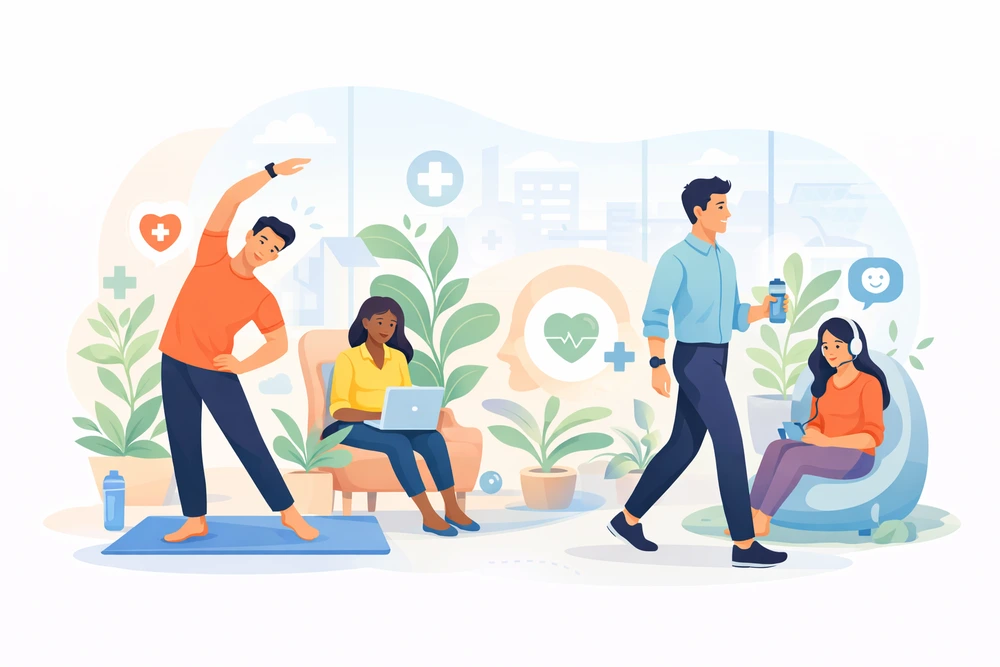
In India, wellness used to be a synonym for Group Health Insurance. But today, a fever isn’t the only threat to your team’s output. A modern 360-degree ecosystem addresses:
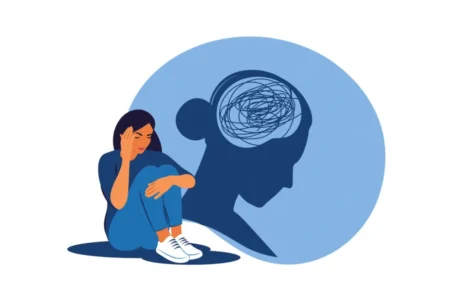
- Mental Friction: Burnout and the fatigue of an “always-on” culture.
- Financial Stress: The mental load of inflation and economic volatility.
- Physical Inertia: The long-term risks of a sedentary, desk-first lifestyle.
In this model, insurance is the safety net, but wellness is the trampoline. It doesn’t just catch people when they fall; it helps them bounce back higher and faster than before.
Also read: 10 Best Employee Wellness Programs in the Workplace
Importance of Corporate Employee Wellness Programs
The Importance of Employee Wellness In 2026, the question for an SME isn’t “Can we afford a wellness program?” but “Can we afford to survive without one?” In a hyper-competitive talent market, wellness has become the cornerstone of sustainable growth.
1. Winning the Talent War
The “salary-only” era is over. Data shows that over 80% of Indian professionals now value culture and wellness over a 10% salary hike. For an SME scouting for top-tier developers or creatives, a wellness program isn’t a perk, it’s your strongest recruitment tool.
2. Solving the “Under-35” Burnout Crisis
With 60% of India’s young workforce reporting mental health struggles, burnout is a business continuity risk. Proactive mental health support isn’t just an act of kindness; it’s a shield that protects your company from a total productivity breakdown.
3. Cultivating “Calculated Audacity”
When you remove the weight of financial stress and mental fatigue, you create psychological safety. This allows employees to take the creative risks necessary to outpace larger, slower competitors. A healthy team is a bold team, and in 2026, audacity is a competitive advantage.
Benefits of Employee Wellness Programs
For the Employer
When an SME invests in wellness, it gains in two ways: higher profits and better quality of life for individuals. The math is simple: a healthy team is a profitable team.
- Right now, 80-85% of Indian professionals deal with health issues quietly. Tackling issues like chronic pain and fatigue can boost hidden productivity by 20-30%.
- In India’s competitive market, a “Wellness-First” reputation travels fast. This organic word-of-mouth significantly slashes recruitment marketing costs; top talent starts finding you.
- Research shows that poor sleep and chronic stress cost Indian employers ₹2.1 Lakh per employee each year. That’s a big loss in productivity. A structured EWP serves as a protective shield. It catches problems early, preventing them from becoming costly long-term leaves.
For Employees
- Access to financial tools helps. Understanding insurance helps ease “money anxiety.” By simplifying tax laws and investment planning, employees can focus on their work instead of worrying about their finances.
- Startup life is demanding. Modern wellness programs offer nutritional and ergonomic support. This helps you keep your stamina high all week and avoid the “Thursday Crash.”
- In 2026, we’ve moved past “balance” toward “harmony.” Wellness tools help employees set digital limits. They also manage mental fatigue. This leads to higher job satisfaction and better home relationships.
Quick read: How Employee Wellness Programs Can Improve Your Work Life Balance
The Four Pillars of an Impactful Wellness Program
For an Indian SME in 2026, a wellness program is only as good as its adoption rate. To move the needle, your strategy must be digital-first, culturally relevant, and low-friction.
1. Stigma-Free Mental Health Support
In the Indian workplace, “privacy-first” is non-negotiable.
- 24/7 access to tele-counselling and digital therapy.
- When employees know their sessions are 100% confidential and de-linked from their manager’s desk, usage rates jump. It transforms “burnout” from a secret struggle into a manageable health metric.
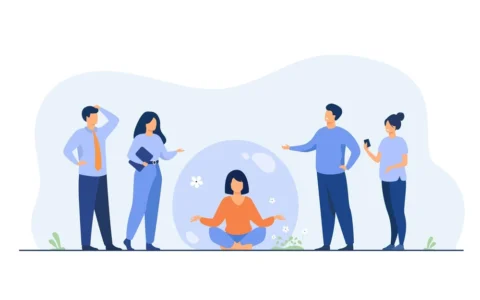
Did you know? 3 in 4 Indian professionals still hesitate to be transparent about taking leave for mental health reasons, often fearing they will be viewed as “incapable.” Privacy-first digital tools are the only way to bypass this fear.
2. Preventive Healthcare (Moving Beyond “Sick Care”)
Catching a lifestyle disease early is 10x cheaper than treating it after a crisis.
- Annual comprehensive screenings (blood sugar, hypertension, vitamin levels).
- Early detection of prediabetes or hypertension helps avoid costly hospital stays. This protects an employee’s savings and keeps your team productive.
3. Financial Wellness & “Wealth Care”
Stress in the Indian household is often tied to the wallet.
- Conduct workshops on the National Pension System (NPS), Section 80C/80D tax optimizations, and debt management.
- Employees who know how to secure their income focus fully at work. This way, they don’t stress about their bank balances.
4. Family-Inclusive Coverage
In India, an employee’s peace of mind is inseparable from their parents’ and children’s health.
- Extending teleconsultation, pharmacy discounts, or health insurance to family members.
- This builds a level of “generational loyalty” that a simple salary hike can never match. You aren’t just an employer; you become a partner in their family’s security.
Suggested read: How to Build a Workplace Wellness Program for Startups
Examples of Employee Wellness Initiatives
1. The “Eldercare Concierge”
The Why: According to the Economic Survey 2025-26, over 21% of working-age men and 41% of women are now balancing caregiving with their careers, meaning roughly 1 in 5 urban professionals is a primary caregiver for an aging parent today.
The Initiative: Partner with platforms providing skilled care companions or geriatric medical support.
The Impact: This eases “caregiver’s guilt” and sudden absenteeism. Employees can work with peace of mind, knowing their family is safe.
2. The “Financial Peace” Audit
The Why: According to the Finsafe State of Financial Wellbeing 2025 Report, nearly 74% of Indian employees are in ‘survival mode,’ lacking sufficient emergency savings. A major contributor to this stress is the
knowledge gap: research shows that while basic tax saving is understood, advanced tools like NPS and Section 80D remain underutilized, causing employees to lose out on critical take-home income
The Initiative:
- Bi-annual sessions with certified planners.
- Help employees optimize take-home pay.
- Set up emergency funds.
The Impact: Employees with financial security have 25% higher job satisfaction. They also feel less “money-anxiety” at work.
3. “Pet-Inclusive” Wellness
The Why: For Gen Z and Millennial employees, pets are non-human family members.
The Initiative: Add pet insurance or “Paw-ternity” leave for new pet owners to your benefits.
The Impact: This meets an important emotional need that many HRs miss. As a result, it builds strong loyalty among younger talent.
4. Privacy-first “Stepped Care” Mental Health
The Why: Stigma remains a barrier. Employees often fear that using company-provided therapy will impact their career growth.
The Initiative: Create a support “ladder.”
- Start with anonymous self-help apps.
- Then, offer 24/7 helplines.
- Finally, provide one-on-one therapy when the employee is ready.
The Impact: A “ladder” boosts adoption rates. It allows employees to engage at their own comfort level.
5. Ergonomic “Home Office”
The Why: Hybrid work is here to stay. Musculoskeletal issues are the biggest complaints among tech workers.
The Initiative: Virtual check-ins with a physiotherapist. They help ensure home setups don’t cause long-term harm.
The Impact: This prevents chronic pain that leads to “brain fog” and long-term medical leave.
6. The “Seamless Maternity” Navigator
The Why: Navigating the Indian healthcare system while pregnant mom is overwhelming. Many employees feel they must choose between career growth and prenatal health.
The Initiative:
- Offer a “Maternity Concierge” as a contact person.
- This person will help the mother-to-be.
- They can explain insurance coverage, such as 80D benefits.
- They will also help find the best network hospitals.
- Plus, they can schedule prenatal teleconsults with nutritionists.
The Impact: It eases the mental load on the employee. So, she feels supported by the organization even before her maternity leave starts.
7. “Return-to-flow” Support
The Why: The first six months after a newborn arrives are the most vulnerable for a mother’s career. “New-mom fog” and sleep deprivation are real productivity killers.
The Initiative: Provide a “New Mother Wellness Pack.” This pack features 24/7 pediatric teleconsults and lactation coaching through the company app. It also includes a flexible “gradual return” schedule. The mother can work reduced “deep-work” hours during her first month back.
The Impact: This removes “waiting room anxiety” for sick babies. It also helps ease the transition back to a high-performance role, preventing burnout.
8. The “New Mom” Nutritional & Physical Recovery
The Why: In India, postpartum recovery often misses specialized physical support. This can lead to long-term health problems, causing “presenteeism” later on.
The Initiative: Offers subsidized post-natal physiotherapy. It provides custom meal plans. These help with recovery and boost energy.
The Impact: Investing in her recovery helps the mother regain energy and confidence quickly. This shows the SME values her health as a “Whole Human.”
Also read: The ROI of Employee Wellness Programs in India
The Six Pillars of Employee Wellness
1. Physical:
Physical wellness is the cornerstone of vitality, focused on maintaining a fit body through regular exercise, proper sleep, and preventive check-ups. Prioritizing this pillar reduces chronic disease risk and ensures your team has the energy for high-stakes decision-making.
2. Mental & Emotional:
This pillar focuses on psychological well-being, encompassing emotional intelligence, stress management, and the resilience to navigate life’s challenges. Nurturing this state improves relationships and builds the positive mindset needed for creative problem-solving.
3. Nutritional Wellness:
It emphasizes nourishing the body with balanced choices to support cognitive function and long-term health. Developing a healthy relationship with food directly impacts energy levels and reduces the risk of diet-related burnout.
4. Occupational Wellness:
This pillar is about finding purpose and satisfaction in one’s profession while achieving a healthy work-life integration. By fostering a sense of accomplishment and goal alignment, you reduce work-related stress and increase long-term job satisfaction.
5. Financial Wellness:
Financial wellness involves managing personal finances effectively, from budgeting and debt management to planning for a secure future. Achieving this state provides peace of mind and eliminates the “money anxiety” that often acts as a silent killer of productivity.
6. Social Wellness:
Social wellness centers on building meaningful relationships and a sense of community. By fostering a strong support network and positive social interactions, you reduce isolation and ensure employees feel a deep sense of belonging.
Recommended read: 16 Effective Ways Employers Can Reduce Workplace Stress
Why Should HR Leaders Care About Employee Wellness Programs?
In 2026, the HR mandate has shifted from “personnel management” to “experience architecture.” For Indian SMEs, wellness is no longer a peripheral benefit, it is the strategic lever for stability and growth.
1. Branding
In a hyper-competitive market, your brand is what employees say on Glassdoor and LinkedIn. 80% of Indian professionals now rank well-being support as equal to salary. A robust EWP signals that your SME is stable and empathetic, making you an “Employer of Choice” without needing to match MNC-level salaries.
2. Retention
As hybrid work becomes the standard, the physical office no longer provides the social “glue” it once did. Organizations that integrate wellness into hybrid workflows see 17.1% higher retention rates. Employees stay where they feel “seen,” even if they aren’t “seen” in person every day.
3. Protection
For an SME, losing even one high-performer to burnout can derail a quarterly goal. Modern HR leaders use anonymized wellness data as an early warning system. By bridging the “Treatment Gap,” you prevent the “quiet quitting” that costs SMEs an average of ₹2.1 Lakh per employee annually in lost productivity.
4. Culture
Gen Z and Millennials now dominate the workforce, and their priorities are non-negotiable. 62% of younger Indian professionals would quit a job that negatively impacts their mental health. A wellness program is your ultimate insurance policy against generational turnover, fostering a culture of trust and autonomy.
Also read: Wellness Benefits for Employees
What Can HR Leaders Do to Implement a Successful Program?
A program that is launched but not nurtured becomes “shelfware.” To ensure long-term success in 2026, HR leaders must move beyond check-box exercises and focus on active execution:
1. Audit for Dormant Benefits
Before spending more, look at what you already have. Many standard insurance policies include free teleconsults or wellness apps that no one uses. Perform a “Usage vs. Cost” analysis. If a benefit has less than 5% adoption, reallocate that budget toward high-demand areas like mental health stipends or OPD coverage.
2. Focus on Small Wins & Scalability
Don’t wait for a massive budget to build a gym. Wellness is built through micro-habits and digital accessibility. Start with low-friction initiatives like 15-minute teleconsults. Use a modular growth approach, start with a core package and add “Wealth-Care” or fitness challenges as engagement grows.
3. Democratize the Data
Transparency builds the trust required for high adoption. Share anonymous survey results with the team. When launching a new feature, explicitly state: “You told us financial stress was high, so we’re launching this Wealth-Care module.” This shows employees their voice directly shapes policy.
4. Train Managers as “Energy Protectors”
A program fails if a manager sends “High Priority” emails at 11 PM. Train middle management to recognize early burnout. When the CEO or HR Head joins a “Digital Detox” weekend or talks about their own “Mental Health Day,” it gives the rest of the team the psychological permission to do the same.
Suggested read: Preventive Healthcare for Employees
The Onsurity Advantage: Reimagining Wellness for SMEs
In 2026, traditional insurance isn’t enough to win the talent war. SMEs need a partner that supports the team every day, not just during a crisis. Onsurity makes “Big Corp” benefits available to everyone. Its 360-degree membership is perfect for teams, no matter their size.
1. On-demand Care & Prevention
- Virtual & Physical Care:
- 24/7 teleconsultations
- Confidential mental health support
- Dental and vision memberships are available via the Onsurity Super App.
- Preventive Hub: Enjoy up to 65% off full-body checkups with home collection. Get up to 20% off medicine delivery right to your door.
- Proactive Fitness: Access to thousands of gyms via partners like Fitpass.
2. Inclusivity: Protecting the Real Family
- Modern Family Coverage: Extend benefits to parents, in-laws, siblings, and LGBTQ+ partners at a small cost..
- Self-Upgrade Model: Employees can add dependents, such as a newborn or spouse.
3. TeamSure: HR on Autopilot
- Simplified Dashboard: A one-stop view to add or remove members, manage health cards, with our TeamSure dashboard.
- Actionable Analytics: Anonymized data helps HR find health trends. This way, they can tackle burnout before it starts.
4. The Good Doctor (GD) Support
- Hospitalization Support: Our medical team is your personal support in emergencies. We find network hospitals and speed up discharges.
- Live Claim Tracking: Get real-time updates on reimbursement claims through the app. This feature helps reduce “waiting room anxiety.”
Conclusion
One thing is clear: the success of a startup depends on its people. Healthy teams make the difference between struggling and thriving. The “hustle culture” of the last ten years is fading. Now, a sustainable, high-performance approach is taking its place. In this shift, resilience is the new return on investment.
An Employee Wellness Program isn’t just for Fortune 500 companies anymore. It’s now essential for modern Indian SMEs. Shifting from “Management” to “Mentorship” and from “Insurance” to a “360-Degree Ecosystem” does more than protect your balance sheet. It honors the shared energy that fuels your business.
Don’t let your wellness strategy be a “check-the-box” exercise. Join over 10K+ Indian SMEs using Onsurity. Shift from reactive insurance to a proactive wellness culture.
Give your team the “Big Corp” benefits they deserve.
FAQs
1. We are a small team; can we actually afford a wellness program?
In 2026, wellness is no longer an “all-or-nothing” expense. Modern providers offer monthly, modular subscriptions. These scale with your headcount. This way, you only pay for what you use and avoid high upfront costs.
2. How do we measure the ROI of these initiatives?
ROI is measured by lowering “Attrition Tax,” which is the cost of replacing talent, and by recovering lost productivity. A 10% drop in absenteeism or a rise in team engagement helps your bottom line and quarterly goals.
3. Will my employees actually use mental health services?
Yes, provided the access is digital-first and 100% confidential. Employees are far more likely to use these services when they are de-linked from HR and accessible via a private app. When you normalize “Mental Health Days” at the leadership level, you remove the stigma and drive genuine engagement.
4. Are there any tax benefits for the company or the employees?
Absolutely. Employees can claim up to ₹5,000 for preventive check-ups under Section 80D. Companies can also use NPS contributions (Section 80CCD) for tax-efficient rewards. This helps boost an employee’s take-home pay.
5. We already provide Group Health Insurance (GHI). Isn’t that enough?
GHI is a “safety net” for emergencies. But it doesn’t address daily productivity problems, such as burnout, financial stress, or chronic pain. A 360-degree program acts as a preventive trampoline, keeping your team healthy and active before a crisis occurs.

Clinical Content Strategist B.Pharma
A Senior Medical and Insurance Content Strategist with over 6 years of experience in healthcare, Ayurveda, and insurance, Diksha has written for industry leaders such as Onsurity, Tata 1mg, mfine, and Medi Assist. A Bachelor of Pharmacy graduate and the creator of the Insurance Dictionary; she holds a Professional Diploma in Counseling Psychology and is certified in Counseling and Guidance by the International Psychological Association.