 Diksha Gupta
 February 24, 2026
 6 min read
 401
401Table of Contents
For decades, compliance in India felt like a back-office task. It meant filing PF challans and tracking TDS. Health was a “perk,” something you added to a recruitment brochure to look competitive.
That era ended on 21 November 2025.
The full rollout of the four Labour Codes has changed the meaning of “Duty of Care.” Employee wellness is now in the Legal Liability checklist. It is no longer in the HR engagement folder. No matter if you run a SaaS startup in Bangalore or a factory in Pune, skipping health safeguards is a big deal. It’s not just a mistake. It can risk your license and lead to criminal charges for your directors.
This guide covers the health and wellness rules you need to follow. These rules will help you avoid penalties and keep your workforce productive in 2026.
The “Health First” Mandates: Key Compliance Requirements
To navigate 2026, every employer must master the three pillars of health compliance:
1. The “40+ Mandate”: Automated Annual Check-ups
Under Section 6 of the OSH Code, it’s now required to provide free annual health exams for all workers over 40.
- The Audit Trap: Simply offering the check-up isn’t enough. In a 2026 audit, you must provide a digital record showing the check-up was completed.
- The Solution: Stop relying on manual reimbursements. Use a wellness platform to automate bookings and keep a digital track of all health checkups for compliance purpose and documentation.
2. The Gig Economy Shield: Universal Social Security
The Code on Social Security, 2020, has officially killed the “not on my payroll, not my problem” defense.
- The New Reality: If you hire gig workers, platform workers, or fixed-term contractors, you must handle their social security. This is now your legal responsibility. Aggregators must now give 1-2% of their yearly earnings to a specific Social Security Fund.
- The Strategic Move: Forward-thinking firms are skipping complex government fund transfers. Instead, they use Onsurity’s flexible monthly memberships. This gives contractors immediate health and life cover. It meets the “Duty of Care” and keeps operations agile.
3. The “After-Hours” Mandate (Night Shift & Women’s Safety)
The OSH Code will officially allow night shifts for women in all sectors starting in 2025. However, this is not a blanket permission; it is a Conditional Licence.
- The Consent & Batch Rule: You cannot unilaterally assign night shifts. Under Section 43, written consent is a prerequisite. Many state rules now require women to work in groups, usually of 5 to 10. This is to ensure a collective safety net.
- The “Door-to-door” Liability: If a woman works from 7 PM to 6 AM, the employer must provide secure, GPS-tracked transport.
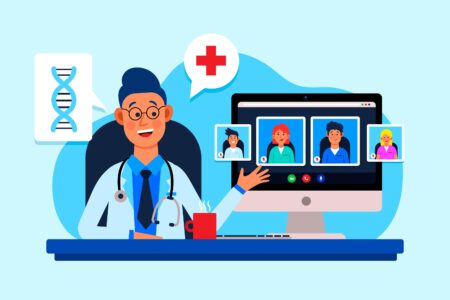
- Medical Readiness: 24/7 medical access is no longer a perk, it’s a compliance safeguard. An app-based emergency concierge, like Onsurity’s 24/7 Teleconsultation, helps your night-shift team. They get quick medical support whenever they need it. This meets the “medical readiness” criteria of the Code.
Also read: New Labour Code 2025
Beyond the Factory Floor: Wellness Compliance for Office & Remote Teams
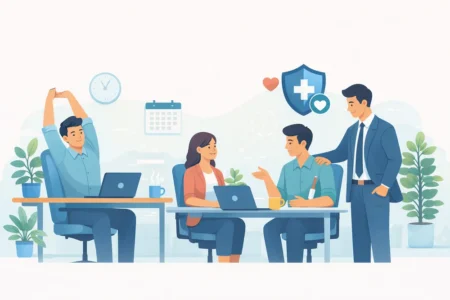
A dangerous misconception in 2026 is that employee health compliance in India only applies to factories. The law doesn’t care if your employee is operating a lathe or a laptop, the “Duty of Care” is absolute.
1. Ergonomics as an Occupational Hazard
The 2025 guidelines say Repetitive Strain Injury (RSI) is a workplace health issue. They also point out chronic musculoskeletal disorders. If your remote team is making dining chairs and card tables, you’re not just being “cheap.” You’re also creating an unsafe workplace.
2. First Aid & Emergency Response
Every establishment must provide access to emergency medical aid. For a remote-first company, “First Aid” isn’t a box on the wall; it’s a 24/7 Digital Helpline. If an employee faces a medical crisis at work and can’t reach company support, you could be fully liable.
3. Hygiene & Sanitation
The code mandates specific standards for hygiene (washrooms, canteens). For physical offices, maintaining a sanitized environment is now a statutory norm, not just a post-pandemic precaution.
4. Psychosocial Hazards
The Supreme Court’s July 2025 verdict in Sukdeb Saha v. State of Andhra Pradesh officially recognized mental health as a fundamental facet of Article 21. For businesses, this transforms mental wellness from a voluntary perk into a mandatory safeguard for worker dignity
Why “Wellness” is the Smartest Compliance Strategy
You have two ways to handle these new laws: as a tax or as an investment.
1. The “Tick-box” vs. Value Argument
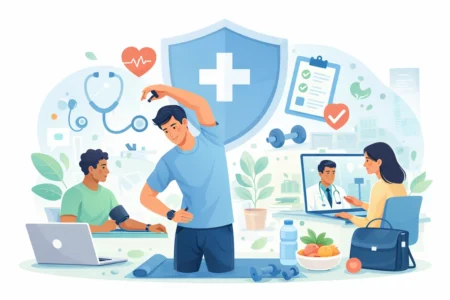
You can pay for a basic, low-quality health check-up just to satisfy the inspector. You can also invest the same amount in a comprehensive plan. This plan detects issues early, which helps cut your long-term sick leave costs.
2. The ROI of Prevention
Data shows that for every ₹1 spent on preventive wellness, Indian firms save ₹6.62 in reduced healthcare costs and a staggering ₹132.33 in absenteeism costs. Checking the “Annual Checkup” box isn’t just for the audit. It helps catch hypertension that could cost you a month of productivity later.
3. Reduced Liability
Documented health support is your best legal defense. If an employee sues for “workplace negligence” about their health, you need proof of your “Duty of Care.” Records of insurance, check-ups, and teleconsultations can help show that.
4. The Attrition Tax
In 2026, the “Standardized Appointment Letter” is mandatory. Every candidate knows exactly what benefits they are legally owed. Offering only the bare minimum makes you a “High-risk” employer. Comprehensive wellness moves you from a “Legal Bare Minimum” firm to an Employer of Choice.
Suggested read: Maternity Benefits in India Under Labour Code 2020
How Onsurity Solves Your Health Compliance Puzzle
Standard group health insurance is a relic of the “Office Age.” It’s strict and uses too much paper. It also misses the 2026 need for a hybrid, multi-category workforce.
Onsurity is the “Compliance-as-a-Service” layer for your HR stack:
1. Automated OSH Compliance
We don’t just “offer” check-ups. Our dashboard tracks completion rates for your 40+ workers. It gives you the documents you need for a Labour Audit.
2. The Gig Economy “On/Off” Switch
Dealing with the Social Security Code for freelancers and contractors is usually a real headache. It often takes a lot of time and effort. Onsurity’s monthly subscription lets you add a contractor for 3 months. You can remove them right away when the project ends. You fulfil your “Duty of Care” without a 12-month financial lock-in.
3. The “Extended Family” Shield
Loyalty is built when you cover what the employee cares about. Onsurity lets employees add parents-in-law to their coverage. This change aligns with the 2026 expansion of “Family” definitions in the new Codes.
4. The Night-Shift Safety Concierge
Satisfy the medical safety requirements for 24/7 operations with instant App-based doctor access, ensuring your team is never without professional support, regardless of the hour.
Conclusion
In 2026, the implementation of the 2020 Labour Codes has stripped away the luxury of choice. Health and wellness compliance is no longer a “HR initiative”; it is a boardroom imperative.
Companies that do well today don’t just pass inspections. They use compliance to build a stronger workforce. Reinvesting the money saved from traditional real estate into a digital health stack helps you avoid penalties. It also offers other benefits. It also builds loyalty.
With Onsurity, you move beyond the “Register Nightmare.” Switch from old, rigid insurance to a flexible monthly health membership. This covers your full-time staff, 40+ employees, and gig workers all in one easy dashboard.
The days of “Health-as-a-perk” are over. The era of “Health-as-compliance” is here.
Don’t wait for a compliance notice to prioritize health. By the time the notice arrives, the penalty is already due.
Ensure your business is 100% health-compliant today.
FAQs
1. Is the annual health check-up mandatory for startups and IT companies?
Yes. The OSH Code applies to all establishments, including IT firms and startups. The age criteria, usually 45+, can differ by state rules. However, the need for health monitoring is the same everywhere.
2. How do I provide health benefits to gig workers to stay compliant?
You need a flexible plan. Traditional annual insurance is too rigid for gig workers. Use a monthly subscription service, like Onsurity. You can add or remove members anytime and only pay for the months they work with you.
3. What are the safety requirements for women working night shifts?
You need to ensure:
a) Written consent from the employee.
b) GPS-enabled safe transport from home to the office and back.
c) Well-lit work areas.
d) Access to emergency medical aid and a sexual harassment complaints committee.
4. Does group health insurance count towards OSH code compliance?
Insurance covers financial risk (Social Security Code). The OSH Code, however, mandates preventive care (checkups) and workplace safety. To be fully compliant, you need two things. First, you need Insurance for protection. Second, you need check-ups for prevention. Onsurity offers both in one membership.

Clinical Content Strategist B.Pharma
A Senior Medical and Insurance Content Strategist with over 6 years of experience in healthcare, Ayurveda, and insurance, Diksha has written for industry leaders such as Onsurity, Tata 1mg, mfine, and Medi Assist. A Bachelor of Pharmacy graduate and the creator of the Insurance Dictionary; she holds a Professional Diploma in Counseling Psychology and is certified in Counseling and Guidance by the International Psychological Association.