 Payal Agarwal
 April 30, 2026
 15 min read
 129
129Table of Contents
Finding the right talent is only half the battle. The real challenge for any business today is keeping that talent happy, healthy, and motivated. In a market as competitive as India, a good paycheck is not enough, you need to offer more to keep your best talent happy. This is where employee benefits come into play. They are the “extras” that turn a job into a career and a workplace into a community.
In this blog, we will look at the best employee benefits platforms in India. We will break down what these platforms do, the different types of benefits available, and which companies are leading the way in 2026.
What is an Employee Benefits Platform?
An employee benefits platform is basically a digital system that helps a company offer, manage, and track everything it gives its employees beyond salary. Think health insurance, meal cards, rewards, mental health sessions, learning programs, salary advances, fitness perks, and so on.
Before these platforms showed up, benefits in Indian companies were handled through a messy mix of emails, brokers, paper forms, and a long list of vendors. Someone in HR was always chasing endorsement files from the insurer. Someone in finance was reconciling Sodexo coupons. Someone else was manually calculating flexi pay deductions. Employees, meanwhile, had no clue what they were entitled to.
A modern employee benefits platform fixes all of this by putting everything in one place. Employees get an app or a dashboard to view their benefits, make claims, and use their entitlements. Employers get a control panel to onboard people, run reports, stay compliant, and link the platform with their HR system. The better platforms also make sure the benefits are tax-efficient, which puts more money in everyone’s pocket.
Also read: Employee Benefits in India
Types of Employee Benefits
Broadly speaking, benefits fall into two buckets: the ones that show up in the bank account and the ones that improve quality of life. Both are essential for a well-rounded workplace culture.
Monetary Employee Benefits
These are direct financial incentives that add tangible value to an employee’s total compensation package.
1. Performance Bonuses and Incentives
Nothing says “well done” like a year end bonus. These are usually tied to specific goals and give employees a direct stake in the success of the business.
It is a simple way to drive high performance. When an employee knows that hitting a target means a direct bump in their take-home pay, they are naturally more aligned with the company’s growth.
2. ESOPs (Employee Stock Ownership Plans)
ESOPs allow employees to become shareholders. It is a powerful way to align their long term wealth with the growth of the company.
When the company wins, the employee wins too. This is often the biggest wealth creator for startup employees in India today. It turns an “employee” mindset into an “owner” mindset, which is invaluable for early-stage companies.
3. Profit-Sharing Plans
In this setup, a portion of the company’s profits is distributed among the staff. It fosters a sense of collective ownership.
It tells the team that their hard work is directly responsible for the company’s financial health. Unlike a fixed bonus, this varies based on how well the business actually performed, making it a very transparent way to reward staff.
4. Annual Salary Hikes and Increments
Regular pay reviews are the most basic way to show an employee that their growing experience is being recognized.
Without this, inflation quickly eats away at their purchasing power. It is the most standard expectation in any professional role. Even a small, consistent hike can do more for retention than a one-time splashy gift.
5. Provident Fund (EPF) Contributions
This is a mandatory but vital long term saving tool in India. Both the employer and employee contribute to a fund that secures the future.
It acts as a forced saving mechanism for retirement. Many employees do not realize the value of this until much later in life, but it remains one of the strongest safety nets available in the Indian private sector.
6. Gratuity Payments
This is a statutory benefit paid to employees who have completed five or more years of service. It serves as a thank you for their long term loyalty.
It is a significant lump sum that helps during career transitions or retirement. It rewards the “stayers” and provides a financial cushion that grows the longer you remain with the same organization.
7. Retention and Joining Bonuses
To attract top tier talent or keep key players during a transition, companies often offer one time cash payments.
Joining bonuses help cover the “opportunity cost” of leaving a previous job, like a lost year-end bonus. Retention bonuses are “stay” incentives given during critical project phases to ensure that talent does not jump ship when the pressure is highest.
8. Relocation Allowance
Moving for a job is stressful and expensive. Companies that cover packing, moving, and initial stay costs make the transition much easier for new hires.
It shows the company is willing to support the employee’s personal life changes. This is especially important for companies hiring across different states in India, where moving costs can vary wildly.
9. Meal Cards and Fuel/Travel Allowances
These are classic tax saving tools. Whether it is a card for the cafeteria or a monthly fuel reimbursement, these additions help increase take-home pay.
Since these are usually tax-exempt up to a limit, employees end up with more money in their pocket at the end of the month without the company actually spending more on gross salary.
10. Referral Bonuses
Good people usually know other good people. Rewarding employees for bringing in quality talent is a win for everyone involved.
It reduces hiring costs for the company and gives the employee a nice financial “thank you” for helping the team grow. It also ensures that new hires come with a pre-vetted stamp of approval from someone who already knows the company culture.
Also read: Top 10 Monetary and Non-Monetary Benefits to Offer Employees
Non-Monetary Employee Benefits
These benefits focus on the human side of work, including health, growth, and work-life balance.
1. Group Health Insurance and OPD Cover
Health is the most valued benefit today. A good plan covers hospital stays and everyday medical expenses like doctor consultations and pharmacy bills.
OPD cover is especially popular because most people visit a doctor for small issues far more often than they get admitted to a hospital. It provides a massive sense of security for the employee and their family.
2. Wellness Programs and Preventive Health Checkups
Prevention is always better than cure. Offering annual checkups or yoga sessions shows that the company cares about more than just the bottom line.
It keeps the workforce healthy and reduces the number of sick leaves taken throughout the year. It also helps employees catch potential health issues before they become serious problems. Global data shows that for every $1 spent on wellness, medical costs fall by $3.27 and absenteeism costs by $2.73.
3. Mental Health and Counselling Support
The modern workplace can be high pressure. Providing access to anonymous therapy or stress management workshops is becoming a standard practice.
It helps break the stigma around mental health and ensures that employees have a safe space to talk about their struggles. A mentally healthy team is always more productive and creative.
4. Learning and Development Programs
Employees want to grow. Whether it is a subscription to a learning portal or sponsoring a certification, investing in their skills pays off for everyone.
It makes the employee more valuable and keeps the company competitive with a highly skilled workforce. It is one of the top reasons Gen Z chooses one employer over another. Research shows that businesses see a 17% rise in productivity and a 21% jump in profitability when they invest in focused training for their teams.
5. Financial Wellness and Advisory Benefits
Many employees struggle with taxes or investments. Offering sessions with financial planners helps them manage their money better and reduces stress.
When people aren’t worried about their personal finances or how to save for a house, they can focus better on their work. It is a subtle but deep way to support someone’s overall life.
6. Flexible and Hybrid Work Arrangements
The world has changed. Allowing people to work from home or choose their own hours is often valued more than a cash bonus.
It builds a culture of trust rather than micro-management. This flexibility is a huge factor for parents, caregivers, or even those who just want to avoid a two-hour commute.
7. Paid Time Off and Parental Leave
Generous leave policies allow employees to recharge. Proper maternity and paternity leave ensure that new parents can focus on their families without guilt.
A company that respects personal time and family milestones usually sees much higher levels of employee loyalty. It shows that you value the person, not just the “worker.”
8. Employee Rewards and Recognition
A simple shout-out on a company portal can go a long way in boosting morale. It makes people feel seen and appreciated for their daily efforts.
Recognition acts as a social proof of an employee’s value. It does not always have to be a gift card; sometimes a public “thank you” is the best motivator.
9. Term Life and Personal Accident Insurance
These provide a safety net for an employee’s family in case of an unfortunate event. It is a benefit that offers true peace of mind.
It ensures that even in the worst-case scenario, the employee’s loved ones are financially protected. It is a low-cost benefit for the employer that carries immense emotional weight for the employee.
10. Career Growth and Mentorship Opportunities
Connecting junior employees with senior leaders helps build a path for the future. It shows the company is invested in the person, not just the role.
Mentorship helps in transferring institutional knowledge and building a strong leadership
Quick read: Employee Benefits for Indian Founders
Top 10 Employee Benefits Platforms in India
With the 2026 landscape being more digital than ever, choosing the right platform is critical. Here are the top ten players in the Indian market right now, expanded with their latest features and specific strengths.
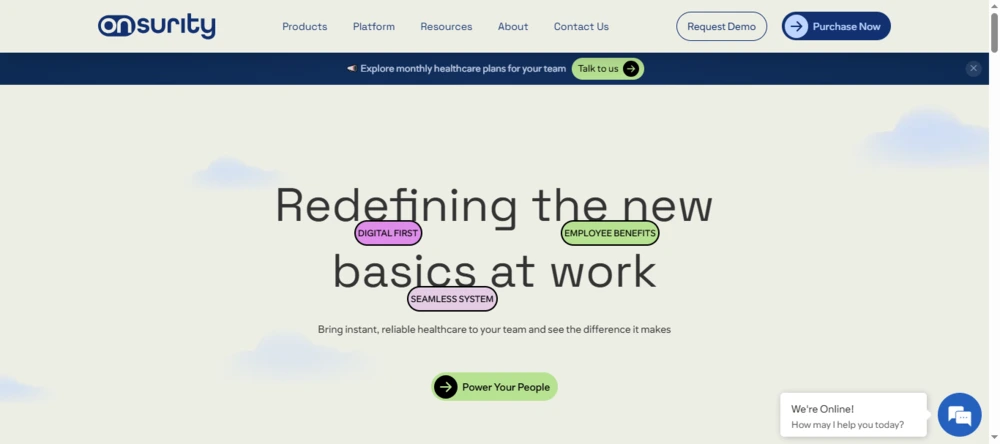
1. Onsurity
Onsurity has pioneered a monthly subscription model that makes healthcare affordable for businesses that were traditionally ignored by big insurance companies. They focus heavily on the “missing middle”—the small teams and startups that need flexible, high-quality care.
Top Features:
- Monthly subscription-based healthcare (no heavy upfront premiums).
- Integrated OPD benefits (doctor consultations, lab tests, pharmacy discounts).
- Group Health, Life, and Personal Accident coverage all in one app.
- Wellness perks like fitness tracking and health webinars.
- Doctors in real time called the Good Doctors who assist members with hospitalization, claims, and reimbursement end-to-end.
What’s Best: Their ability to provide big-company benefits to teams as small as 3 people. It is truly the most accessible health-tech platform for the Indian startup ecosystem.
2. Pazcare
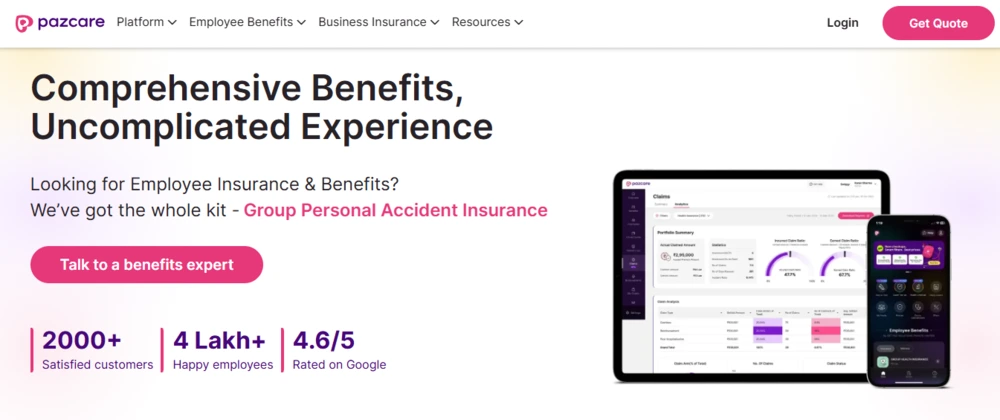
Pazcare is known for its “tech-first” approach to corporate insurance. They have moved beyond just being a broker to becoming a comprehensive management platform that sits right inside your HR workflow.
Top Features:
- PazGPT: An AI-powered assistant that answers employee insurance queries instantly.
- Real-time claims tracking for both HR and employees.
- Flexible add-ons like dental, vision, and mental wellness.
- Deep integration with popular HRMS tools like Darwinbox and Keka.
What’s Best: Their “PazGPT” feature is a game-changer. It stops employees from constantly bugging HR with basic questions about what their policy covers, as the AI handles it 24/7.
Also read: Employee Benefit Expenses
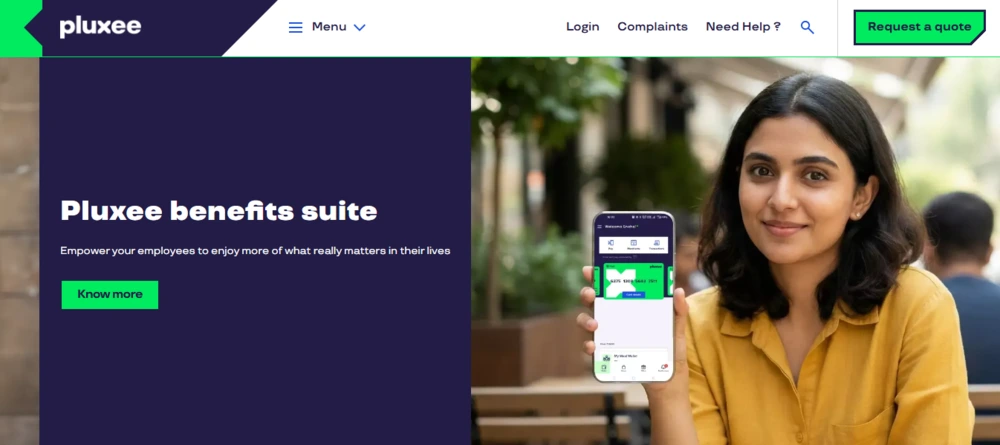
3. Pluxee (formerly Sodexo)
Pluxee has rebranded and evolved far beyond the old meal vouchers. They now offer a sophisticated digital ecosystem that helps employees maximize their take-home salary through various tax-exempt wallets.
Top Features:
- 2-in-1 Hybrid Card: A single RuPay card that manages meal, fuel, and gift wallets.
- Tax savings of over ₹1 Lakh per year for every employee.
- Access to India’s largest merchant network for meal benefits.
- 100% paperless management of claims and spends.
What’s Best: Their massive merchant network. Because they have been around for decades, your employees can use their Pluxee card almost anywhere, from local grocery stores to major food delivery apps.
4. Zaggle Save
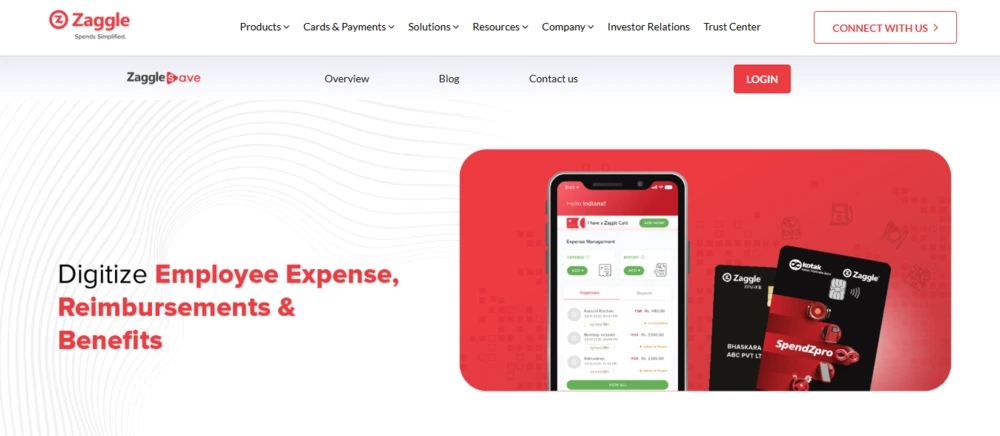
Zaggle is the leader in “spend management.” In 2026, they have leaned heavily into the new tax regulations to ensure employees get the absolute most out of their CTC.
Top Features:
- Significant tax-free salary optimization (up to ₹3.24 Lakh).
- Multi-wallet cards covering fuel, driver’s salary, and hostel allowances.
- Increased meal allowance support (up to ₹200 per meal tax-free).
- Instant, digital KYC and onboarding for new employees.
What’s Best: Their compliance and tax-saving depth. If your goal is to help your employees save the maximum amount of tax allowed by law, Zaggle’s platform is built specifically for that.
Suggested read: 14 Best Employee Perks to Attract and Retain Top Talent
5. Refyne
Refyne was one of the first to bring “Salary On-Demand” to India. They focus on the financial stress that hits employees in the middle of the month when unexpected expenses crop up.
Top Features:
- Earned Wage Access: Employees can withdraw their earned salary instantly before payday.
- Money Guru: 1-on-1 sessions with SEBI-authorized financial advisors.
- Refyne Privilege Club for massive discounts on gadgets and electronics.
- Zero impact on credit scores, as these aren’t traditional loans.
What’s Best: Their “Money Guru” service. It doesn’t just give people money; it teaches them how to manage it, which is a far more sustainable benefit in the long run.
6. Jify (by Moneyview)
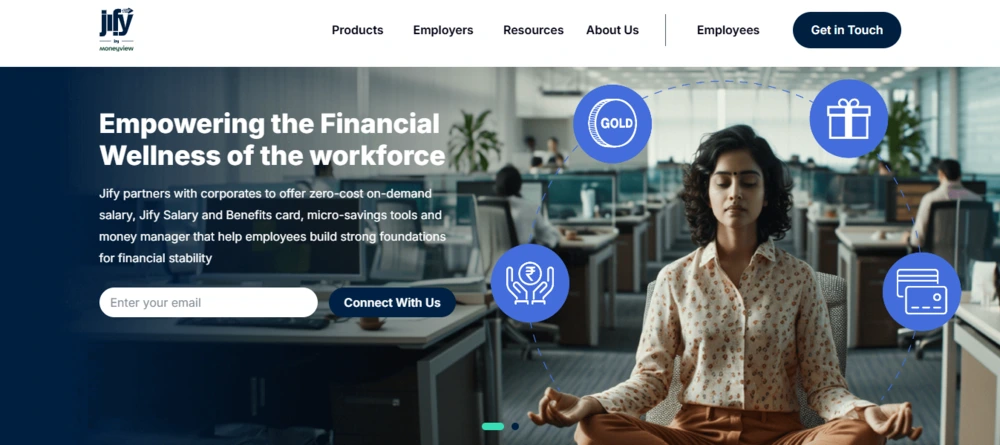
Jify operates in a similar space to Refyne but places a heavier emphasis on turning “borrowers into savers.” Their platform is incredibly user-friendly and feels more like a modern neo-bank for employees.
Top Features:
- On-demand salary access with a transparent, small transaction fee.
- Digital Gold Savings: Employees can start saving as little as ₹1 in digital gold.
- Interactive financial education videos.
- Cashback rewards for hitting savings goals.
What’s Best: Their Digital Gold feature. It lowers the barrier to entry for investing, making it perfect for entry-level employees who might feel overwhelmed by traditional investment options.
Recommended read: How To Scale Your Small Business Without Compromising On Health Benefits
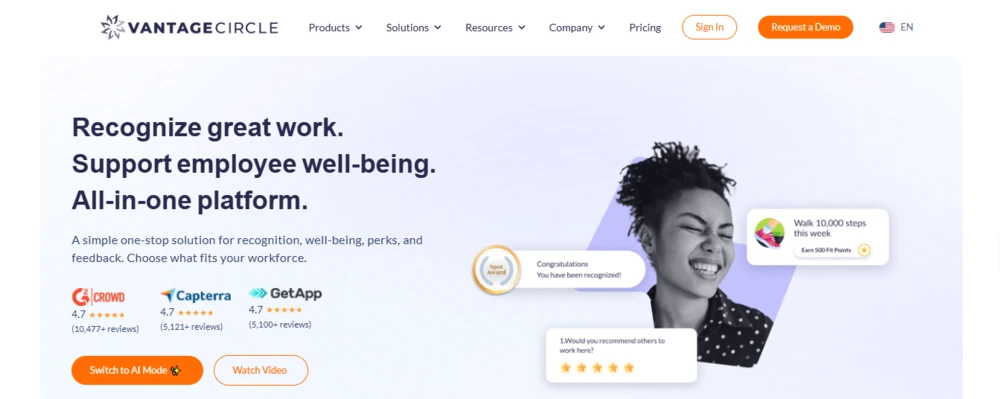
7. Vantage Circle
Vantage Circle is the heavy hitter for large enterprises. They have recently made waves by integrating their recognition tools directly into the software that people use every single day.
Top Features:
- Microsoft 365 Copilot Integration: Recognize peers directly within Teams or Outlook.
- Global Rewards Catalog with over 10 million redemption options.
- AI-powered service yearbooks for work anniversaries.
- Multilingual support (16+ languages) for global teams.
What’s Best: Their “Winner’s Circle” agent. By putting the recognition tool inside Microsoft Teams, they have made saying “thank you” so easy that employees actually do it regularly without being nudged by HR.
8. Xoxoday Empuls
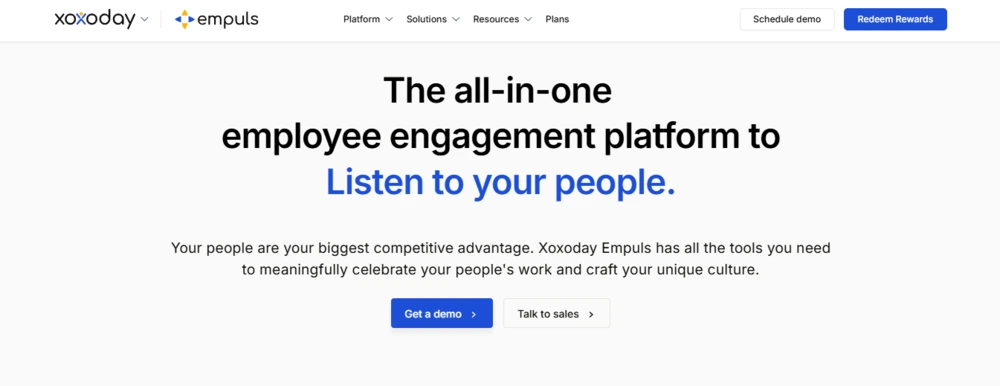
Empuls is designed to be the “heart” of the organization. It is less about just “perks” and more about creating a social environment where people feel connected, even if they work remotely.
Top Features:
- Empuls AI: Uncovers hidden skills and predicts attrition risks using engagement data.
- Social Intranet for company-wide communication and transparent dialogue.
- Pulse Surveys to measure the “emotional temperature” of the team.
- Automated milestone rewards (birthdays, anniversaries).
What’s Best: Their Engagement Analytics. The platform doesn’t just show you that people are happy; it tells you why and points out which teams might be at risk of burnout before it happens.
Also read: 15 Types of Employee Training Programs
9. upGrad for Business
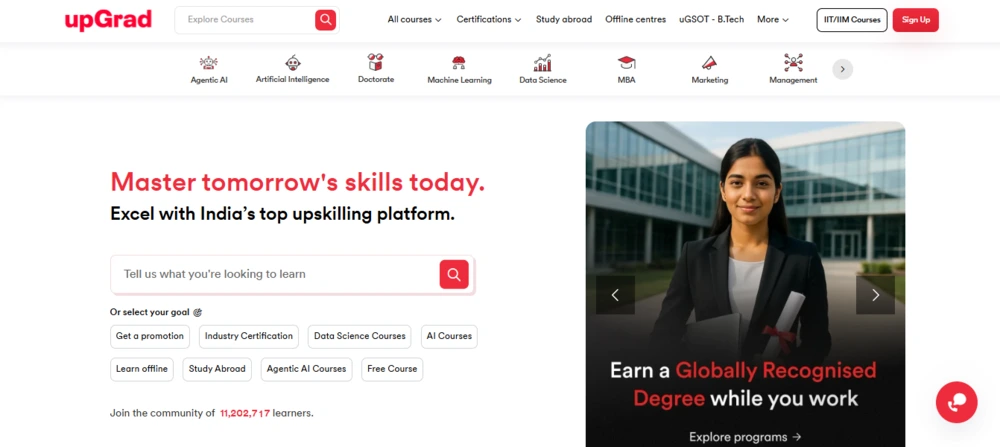
In a year like 2026 where AI is changing jobs every month, upGrad for Business is an essential benefit. They help companies turn learning from a “one-off” event into a daily habit.
Top Features:
- AI-powered personalized learning paths based on specific job roles.
- Microlearning: 5-10 minute modules that fit into a busy workday.
- Virtual Instructor-Led Training (vILT) for complex skill-building.
- Focus on “Agentic AI” and automation skills to future-proof the team.
What’s Best: Their “Speed to Skill” approach. They don’t just offer thousands of courses; they focus on the specific, measurable skills your team needs right now to stay competitive.
10. Amaha
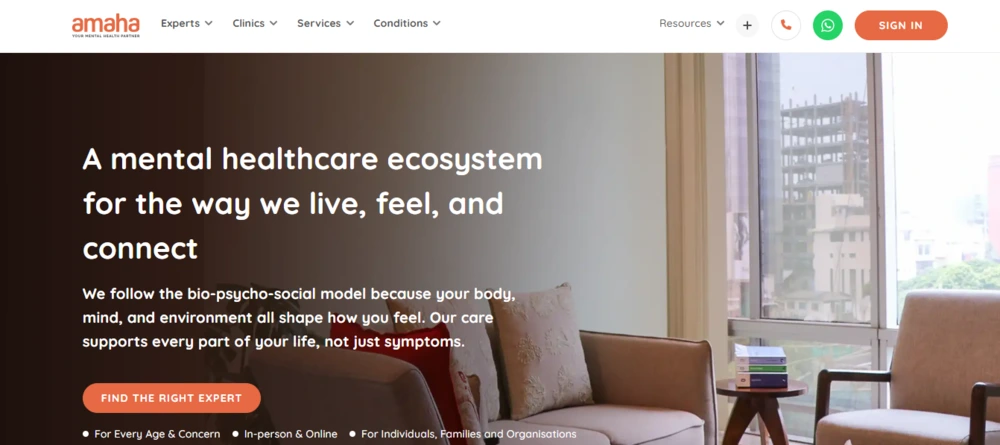
Amaha is arguably the most clinically robust mental health platform in India. They provide a full spectrum of care, from self-help tools to professional psychiatric support.
Top Features:
- Access to 600+ personalized self-care tools (meditation, journaling, CBT).
- Allie Relief Bot: An AI bot that provides instant support during a crisis.
- 4-week personalized mental health plans for anxiety, sleep, or stress.
- Direct access to RCI-registered therapists and psychiatrists.
What’s Best: Their clinical depth. Everything on the platform is built by mental health experts and rooted in science, which gives employees more confidence than generic “wellness” apps.
Suggested read: Employee Welfare in India
How Do Employee Benefits Platforms Help Organizations?
Using a platform instead of manual methods changes everything for a business. First, it saves a massive amount of time for the HR department. They no longer have to manually track who is on what plan or handle individual claims.
It makes the whole process “set and forget.” For a busy HR person, not having to explain the same insurance policy ten times a week is a huge win.
Second, it improves the employee experience. When a benefit is easy to use, it is actually used. A platform that lives on an employee’s phone ensures they remember the perks they have, which directly impacts their job satisfaction.
If they can book a doctor or save on their lunch with three taps on their phone, the perceived value of that benefit skyrockets.
Finally, these platforms provide data. You can see which benefits are popular and which are being ignored. This allows you to spend your budget more effectively on things that your team actually wants.
If nobody is using the gym membership but everyone is using the mental health app, you can pivot your budget next year to where it matters most.
Conclusion
At the end of the day, employees are the greatest asset of any company. Investing in their health, wealth, and happiness is not just a nice thing to do; it is a smart business strategy. Whether you are a small startup or a large enterprise, there is a platform out there that can help you build a better workplace.
The goal is to find a solution that fits your specific culture and makes life easier for your team. When employees feel protected and supported, they are more likely to do their best work and stay for the long haul.
Building a great place to work starts with looking at the people behind the titles and giving them the tools they need to thrive both in and out of the office.
FAQs
1. What are employee benefits?
In simple terms, employee benefits are the “perks” or “extras” you get from your company that aren’t part of your basic take-home salary. While salary pays the bills, benefits are there to provide a safety net and make life a bit easier. This includes things like health insurance, gym memberships, retirement savings, or even just a flexible work schedule. They are a way for a company to show they care about your well-being beyond just the work you do.
2. What are flexible employee benefits?
Flexible benefits, often called a Flexible Benefit Plan (FBP), allow you to “pick and choose” how you want to receive a portion of your salary. Instead of the company giving everyone the same fixed allowances, they give you a budget. You can then decide to spend that budget on what suits your life best. For example, if you drive to work, you might choose a fuel allowance. If you order in a lot, you might prefer meal cards. It is a great way to save on tax because many of these choices are tax-exempt.
3. What does OPD mean in employee benefits?
OPD stands for Outpatient Department. In the world of health insurance, most standard plans only kick in if you are admitted to a hospital for at least 24 hours. OPD cover is different because it covers the medical stuff that happens without staying overnight. This includes visiting a doctor for a fever, getting a blood test, or buying medicines at a pharmacy. Since most of us visit a doctor far more often than we stay in a hospital, OPD is one of the most used and loved benefits.
4. Are flexible employee benefits expensive?
Not necessarily. For the company, flexible benefits are usually just a restructuring of the existing salary (the CTC). The money is already there; you are just giving the employee more control over how it is labeled. While there might be a small cost for the software or platform to manage these choices, most businesses find that it actually saves money in the long run. It stops the company from paying for perks that nobody uses and helps keep employees around longer because they feel the benefits actually fit their lives.
5. Are employee benefits mandatory for startups in India?
The answer depends on how big your team is. In India, once you hit certain milestones, some benefits become legal requirements. For example, if you have 10 or more employees, you generally need to provide ESI (Employee State Insurance) and Gratuity. Once you reach 20 employees, EPF (Provident Fund) usually becomes mandatory. If you are a registered startup with DPIIT, you might get a “grace period” where you can self-certify your compliance and avoid surprise inspections, but the responsibility to provide these social security benefits still exists. Even if they aren’t mandatory for very small teams, offering them is often the only way to compete with the “big guys” for top-tier talent.

Senior Executive – Content
Payal specializes in the healthcare, wellness, and insurtech space, with a strong focus on educating businesses about insurance and employee wellbeing. She is passionate about simplifying an industry that is often misunderstood and filled with complex jargon, translating it into clear and practical insights that organizations can easily understand and act on. Through her work, she aims to make the insurance ecosystem more transparent and accessible, helping businesses recognize that prioritizing employee wellbeing is not just a benefit but a responsibility.