 Diksha Gupta
 February 24, 2026
 6 min read
 369
369Table of Contents
If an employee wasn’t in a hospital bed, they were considered “fit for work.” The definition of wellness was binary: you were either sick or you were productive.
But in 2026, that definition is dangerously obsolete.
We now live in an era where an employee can run a marathon on Sunday (Physical Health) but struggle to get out of bed on Monday due to anxiety (Mental Health) or feel completely isolated within the team (Emotional Health).
Employees don’t leave their personal struggles at the door. When they log in, they bring all of themselves: their energy, mental load, and emotions. If your benefits strategy only looks after their body, you’re missing two key factors that impact their daily performance.
To build a resilient team, companies must go beyond just “Insurance Coverage.” They need to adopt Holistic Wellness.
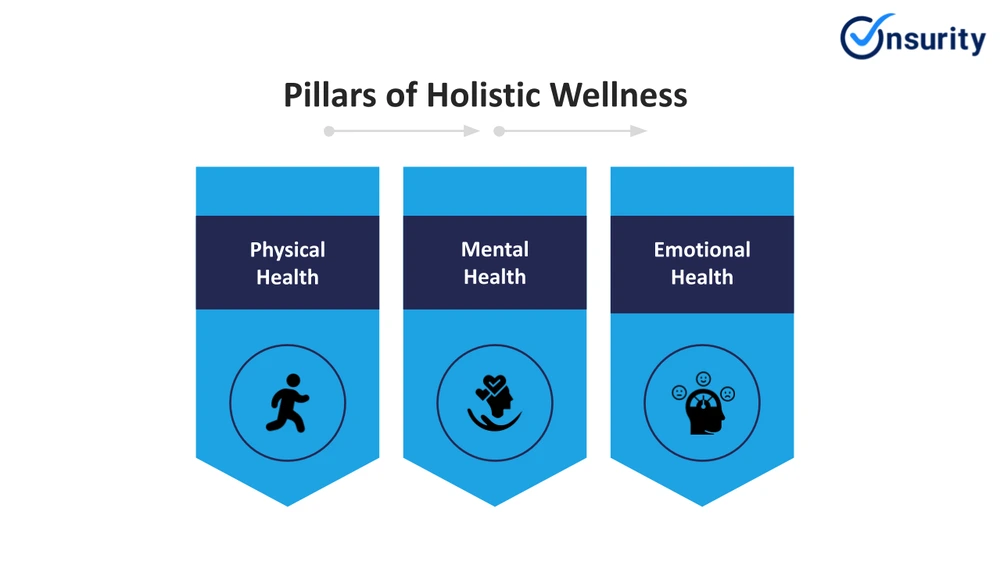
What Does “Holistic Wellness” Actually Mean?
1. Physical Health (The “Hardware”)
- What it looks like: Being healthy, having enough energy to work 8 hours, and handling chronic conditions like diabetes.
- How companies treat it: Group Health Insurance, gym memberships, ergonomics.
2. Mental Health (The “Software”)
- What it looks like: The ability to focus, make smart choices under pressure, and “switch off” after work to avoid burnout.
- How companies treat it: Teleconsultations, stress management webinars, “no-meeting” Wednesdays.
3. Emotional Health (The “Operating Environment”)
This is the most overlooked pillar. Distinct from mental health, it is about feelings and connection.
- What it looks like: Psychological safety. Does the employee feel valued? Do they feel safe speaking up?
- How companies treat it: Inclusive culture, recognition programmes, team bonding initiatives.
The Gap: Most organizations excel at the Physical (buying insurance is simple), struggle with the Mental (offering basic webinars), and overlook the Emotional. A truly holistic strategy integrates all three into a seamless support system.
Also read: How Employee Wellness Programs Support Group Insurance
The 3 Pillars of Holistic Wellness in Action
Pillar 1: Physical Health (Beyond the Gym Membership)
When companies think of “Physical Wellness,” they often default to step challenges. While fitness is important, corporate physical health is really about maintenance and prevention.
- Preventive Care: Many employees overlook minor symptoms since going to a clinic takes too long. Providing teleconsultations removes this friction. A quick 10-minute call can resolve an issue that might otherwise turn into a 3-day sick leave.
- Medication Adherence: Many workers have Diabetes and Thyroid issues. They need help managing these conditions. Discounted medicine delivery ensures they stick to their treatment, preventing long-term complications.
- Ergonomics: For desk-based teams, sedentary work is a silent risk factor. Wellness involves teaching good posture and offering tools to prevent repetitive strain injuries (RSI).
Pillar 2: Mental Health (Moving from “Stigma” to “Support”)
Mental health is the “invisible” productivity killer. An employee at their desk may seem busy, but if they’re feeling anxious, their productivity drops a lot.
- The Reality Check: Nearly 85% of Indian employees report feeling burnt out. This isn’t just an individual problem; it is a systemic risk to your company’s output.
- The Solution: Many employees hesitate to ask for help due to stigma. An effective Employee Assistance Program (EAP) must offer anonymous access to therapists. When employees know their privacy is guaranteed, utilisation rates skyrocket.
Pillar 3: Emotional Health (The Overlooked Element)
Mental Health focuses on how the brain handles stress. In contrast, Emotional Health concerns how an employee feels about their surroundings. It is heavily tied to Psychological Safety, the #1 driver of high-performing teams.
- Belonging: “Do I feel included in this team, or am I an outsider?”
- Safety: “Can I admit a mistake without being punished?”
- Value: “Does my manager care about me as a person, or just as a resource?”
Quick read: The ROI of Employee Wellness Programs in India
The “Fragmentation” Problem: Why Good Intentions Fail
| Feature | The Old Way (Fragmented) | The Onsurity Way (Unified) |
| For The Employee | 3 Different Logins: • Portal A for Insurance • App B for Fitness • Vendor C for Therapy |
One app, many use-cases: Insurance, Medicine, Fitness, and Therapy all under a unified platform. No password fatigue. |
| For The HR Manager | Data Black Hole: Scattered reports from multiple vendors that don’t talk to each other. Hard to measure ROI. | Unified Dashboard: A single view of team health trends. See real-time usage data to make culture decisions. |
| The Result | Low Utilization: Employees forget where to go when they need help. Money wasted. | High Engagement: Frictionless access leads to 3x higher adoption of benefits. |
The Solution: The Power of a “Super App”
To solve fragmentation, you do not need more benefits. You need unification. This is why Onsurity built India’s first Employee Healthcare Super App.
- Unifying Physical Health: Employees can check their health insurance e-card, book a teleconsultation, and order medicines, all from the home screen.
- Integrating Mental Health: We lowered the barrier to entry. Employees can book therapy sessions directly in the app. This makes care feel normal by placing it alongside physical health.
- Unified Insights: HR teams have one dashboard to check the organization’s “pulse.” This helps them make data-driven cultural choices.
Actionable Steps to Build a Holistic Culture
Having a wellness program is step one. Building the culture is step two. Here are three low-cost ways HR leaders can start shifting the culture today:
1. Lead by Example
2. Align Work with Human Energy
3. Communicate Relentlessly
Conclusion
FAQs
1. What is the difference between mental and emotional health in the workplace?
2. How does a "Super App" improve employee engagement?
3. Can SMEs afford a holistic wellness program?

Clinical Content Strategist B.Pharma
A Senior Medical and Insurance Content Strategist with over 6 years of experience in healthcare, Ayurveda, and insurance, Diksha has written for industry leaders such as Onsurity, Tata 1mg, mfine, and Medi Assist. A Bachelor of Pharmacy graduate and the creator of the Insurance Dictionary; she holds a Professional Diploma in Counseling Psychology and is certified in Counseling and Guidance by the International Psychological Association.