 Payal Agarwal
 January 14, 2026
 19 min read
 415
415Table of Contents
Today, employee engagement tools have become more important than ever. Now, if you go by statistics, in India only 26% of employees are engaged at work, which means that 3 out of 4 of your employees are disengaged. They might come to the office, do their assigned tasks, and log off, but is this what your organization really needs? You want people who drive innovation, are committed, and bring the best output to their work.
However, disengagement among employees often leads to frequent attrition, lower output, and higher absenteeism, which impacts the organization’s profitability and growth over time. Whereas engaged employees are more focused, productive, and committed to the quality of their work, which leads to better performance, stronger teams, and improved profitability.
Employee engagement tools help create an environment for your employees where they feel connected, supported, and valued at work. Through consistent communication, feedback, collaboration, and recognition, these tools help employees stay aligned with their goals and also create a sense of ownership in their roles. These tools support everyday engagement, improve employee experience, and positively impact productivity and retention.
This blog brings together some of the most effective employee engagement tools across key categories, helping you choose what truly fits the way modern teams work and what employees value most.
What are Employee Engagement Tools
Before diving into specific platforms, let’s first understand what employee engagement tools are, so basically, they are software/ apps or different measures that a company uses to improve employee satisfaction and engagement.
These tools help solve some of the most common workplace challenges, including declining morale, limited feedback loops, communication gaps, and rising attrition. By offering features like pulse surveys, recognition programs, performance feedback, and engagement analytics, they provide real visibility into how teams are doing and where support is needed.
More importantly, employee engagement tools enable a proactive approach. Instead of reacting after employees disengage or leave, organizations can identify patterns early and take meaningful action. Whether it is recognizing consistent effort, addressing workload stress, or improving collaboration, engagement tools help teams feel heard and supported.
For example, if teams are struggling with task management and employees are handling multiple projects at once, it can become difficult to track progress and timelines. In such cases, a tool like Asana helps bring clarity by showing tasks, owners, and deadlines in one place, making work easier to manage and reducing daily stress.
Also read: Top 10 Employee Engagement Activities
10 Best Employee Engagement Tools – Comparative View
|
Tool |
Primary Purpose |
Key Employee Engagement Features |
Ease of Use |
Pricing (Starting) |
Best Suited For |
|
Microsoft Teams |
Communication & Collaboration |
Chats, video meetings, project channels, file sharing, scheduling, integrations, instant recognition |
Very easy (already widely used) |
Free plan available |
SMEs to Large Enterprises, remote & hybrid teams |
|
Zoom |
Communication & Collaboration |
Video meetings, webinars, breakout rooms, recordings, AI summaries, screen sharing |
Very easy |
Free basic plan |
Remote teams, large internal meetings, training-heavy orgs |
|
Asana |
Task & Project Management |
Task tracking, timelines, ownership, dashboards, automation, progress visibility |
Easy to moderate |
Free plan |
Project-driven teams, fast-growing companies |
|
Empuls |
Rewards, Recognition & Engagement |
Peer recognition, rewards, surveys, engagement analytics, goal alignment |
Easy |
From $2/user/month |
SMEs to mid-sized companies |
|
Advantage Club |
Rewards & Recognition |
Points-based rewards, milestone automation, peer appreciation, global rewards, gamification |
Easy |
Custom pricing |
Distributed teams, global workforces |
|
15Five |
Performance Management & Feedback |
Check-ins, goal tracking, 1-on-1s, reviews, engagement surveys, recognition |
Easy |
From $4/user/month |
Growing teams, people-first cultures |
|
Culture Amp |
Employee Feedback & Listening |
Pulse surveys, anonymous feedback, 360 reviews, analytics, benchmarking, action planning |
Moderate |
Custom pricing |
Mid to large enterprises |
|
Engagedly |
All-in-one Performance & Engagement |
Reviews, goals, 360 feedback, surveys, learning paths, recognition, career growth |
Moderate |
Custom pricing |
Mid-sized to large organizations
|
|
Headspace |
Mental Health & Well-being |
Meditation, sleep tools, focus support, AI companion, burnout prevention |
Very easy |
Business pricing on request |
All company sizes, high-stress teams |
|
Onsurity |
Health & Wellness Benefits |
Preventive care, doctor consultations, mental health support, healthcare plans, fitness benefits, Good Doctors team for hospitalisation and claims support, monthly plans |
Easy |
From ₹145 per employee/month |
Indian SMEs, startups, growing teams |
Best Employee Engagement Tools for Collaboration
Collaboration is one of the strongest drivers of employee engagement. A McKinsey study found that teams who communicate effectively are 25% more productive. When communication is easy, teams build trust faster, decisions become clearer, and employees feel more connected to their work and to one another.
The tools in this category focus on enabling clear communication, real-time connection, and shared visibility into work, especially for hybrid and remote teams.
1. Microsoft Teams
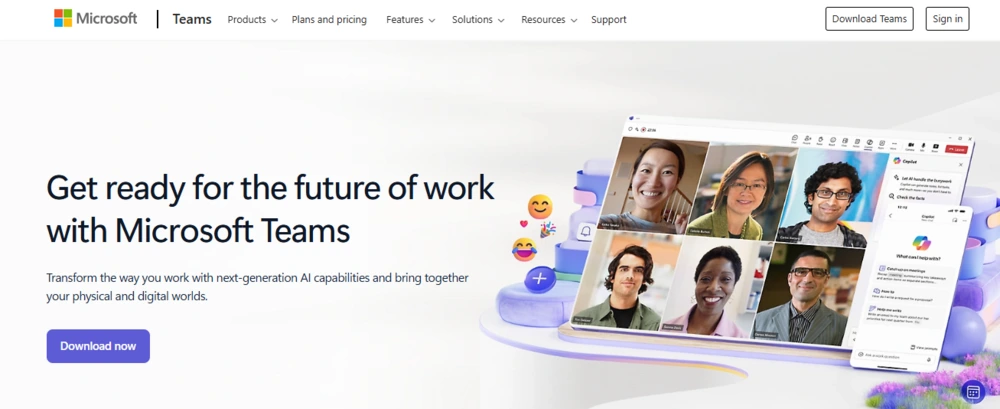
Microsoft Teams is already a part of everyday work for many organizations, which makes it a natural tool for supporting employee engagement. You can use it to stay connected with employees, especially when teams are working remotely or handling multiple projects at the same time. Regular check-ins through chats or video calls help you understand how employees are doing and where they might need support.
Teams also makes communication easier by giving employees different ways to connect, whether through messages, meetings, or shared channels. Because everything happens in one place, employees feel less overwhelmed and clearer about priorities. When feedback, updates, and appreciation happen regularly on a platform people already use, engagement becomes part of daily work rather than a separate activity.
Key Features
- Instant messaging and team chats: It helps you quickly communicate with your entire team or individuals within seconds without investing time in writing long email threads.
- Video and audio meetings: Makes regular one-on-one check-ins, team discussions, and reviews easy, especially for remote and hybrid teams.
- Dedicated channels for teams and projects: Keeps conversations organized so employees know where to share updates and track discussions.
- File sharing and real-time collaboration: It helps teams work on documents together in one place, like collaborating on the same Excel, Word, or PowerPoint document without creating multiple documents. They can work on a single shared file, reducing confusion and delays.
- Calendar and meeting scheduling: You can schedule regular check-ins and follow-ups with your team without having to chase their availability. This helps them stay on track and gives you a clearer picture of their tasks and well-being.
- Integration with engagement and productivity tools: You can also integrate Teams with other tools, such as task management software, surveys, and recognition apps, to support further engagement.
- Easy recognition through messages: Let’s you acknowledge good work instantly through team channels or direct messages.
- Access across desktop and mobile: Ensures employees can stay connected and updated even when they are not at their desks.
Pricing
- Free plan available
- Microsoft Teams Essentials: approx. $4 per user/month
- Microsoft 365 Business plans (with Teams included): starting around $6 per user/month
G2 Rating ⭐ 4.4 out of 5
2. Zoom
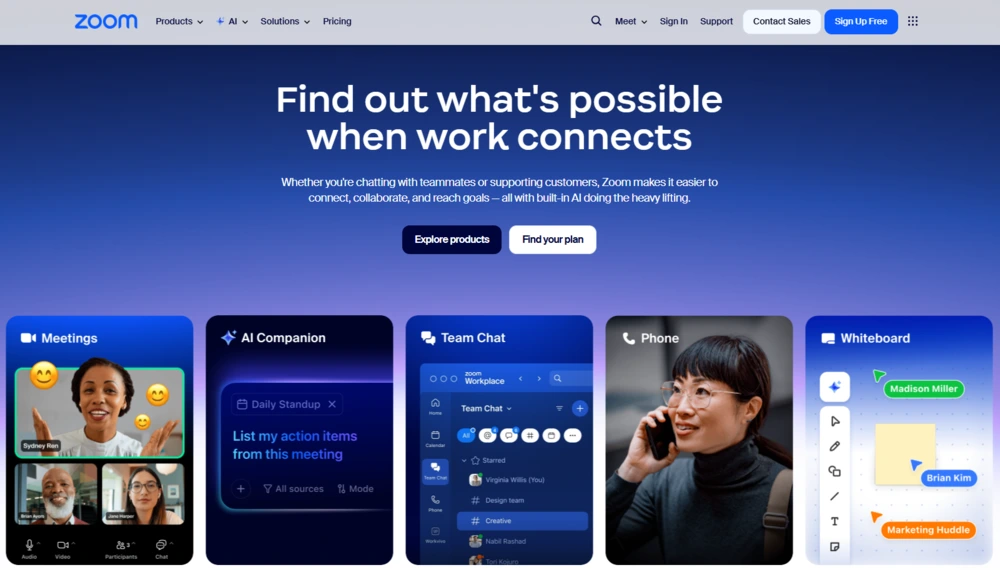
Zoom also reduces friction in daily work by keeping conversations, discussions, and follow-ups moving without delays. With built-in AI support, meetings become more productive, as summaries and next steps are captured automatically, and it also provides an option for you to record meetings so that you can revisit the recordings later, in case you want to.
Key features
- Video and audio meetings: You can use it to run regular team meetings, one-on-ones, and check-ins that help employees stay connected and involved.
- Webinar hosting for large internal sessions: Useful for company-wide updates, leadership town halls, training sessions, and internal events where many employees need to join at once.
- Breakout rooms: You can split large meetings into smaller groups, which encourages participation and open discussion.
- Screen sharing and collaboration tools: Makes it easy to share ideas, presentations, and updates during meetings.
- Cloud recordings and transcripts: Employees can revisit meetings later, which helps anyone who missed a session or wants to review important discussions.
- AI meeting summaries and follow-ups: It automatically captures key points and next steps, so employees don’t need to take detailed notes.
- Reliable support for remote and hybrid teams: It keeps employees engaged across different locations with reliable and easy-to-use video communication.
Pricing
Zoom offers a free basic plan. Paid plans start at approximately $14.99 per user per month, depending on meeting duration and advanced features.
G2 rating ⭐ 4.5 out of 5
Also read: Employee Experience vs Employee Engagement
3. Asana
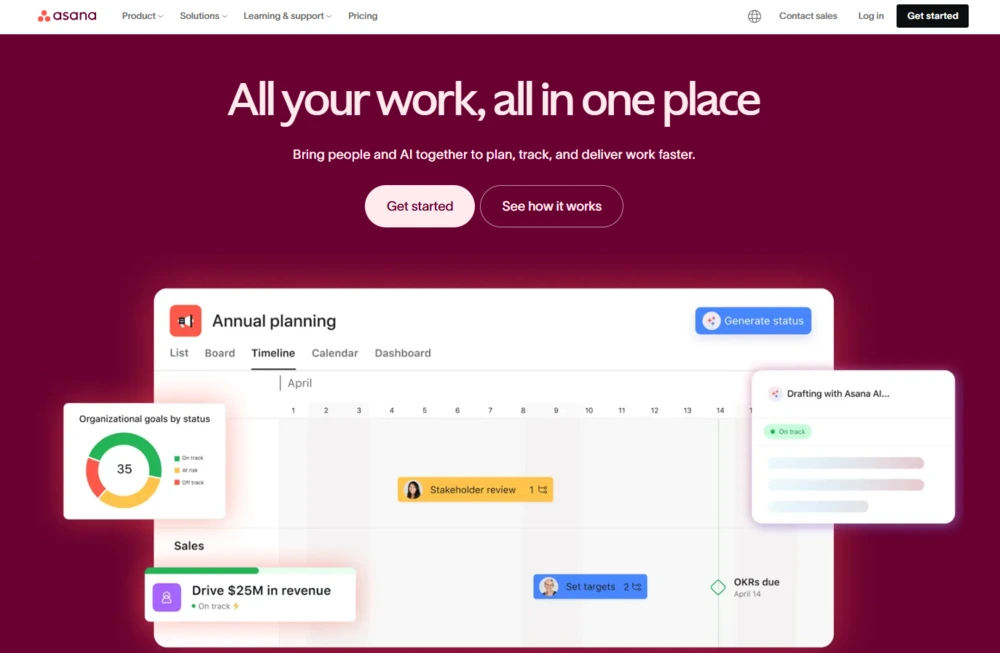
Asana addresses this by showing who is working on each task, when it was assigned, and providing updates on deadlines and progress. You can split big projects into smaller tasks, track progress as it happens, and cut down on the need for constant check-ins. This clear structure helps lower stress, encourages teamwork, and gives employees a better sense of control over their work.
Key features
- Task and project tracking: Helps employees clearly understand their responsibilities, deadlines, and priorities.
- Multiple project views (List, Board, Timeline): Allows teams to choose how they want to view work based on what feels easiest for them.
- Clear ownership and accountability: Every task has an owner, reducing confusion and giving you a broader view of everyone’s work.
- Workflow automation: It takes care of repetitive tasks for you, which saves time and cuts down on manual work.
- Project timelines and dependencies: It helps teams plan more effectively and avoid delays when tasks rely on one another.
- Dashboards and progress tracking: You get a clear picture of how projects and teams are doing, so you don’t have to micromanage.
- Forms for work requests: Helps employees submit task requests with all details in one place, reducing confusion and follow-ups.
- Integrations with collaboration tools: Works smoothly with tools like Microsoft Teams and Zoom, keeping work connected.
Pricing (per user/month)
Asana offers a free plan for basic use.
- Starter: approx. $10.99 (When billed annually)
- Advanced: approx. $24.99 (When billed annually)
- Enterprise: Custom pricing
G2 Rating ⭐ 4.4 out of 5
Best Employee Engagement Tools for Rewards & Recognition
4. Empuls
Empuls also offers surveys and performance tracking, so you can see how employees are feeling and spot areas where engagement might be dropping. When used consistently, it helps strengthen connections across teams and reduce disengagement before it turns into attrition.
Key features
- Recognition and rewards programs: Helps you appreciate employee efforts through points, rewards, and public recognition, building a culture of appreciation.
- Peer-to-peer recognition: Allows employees to recognize each other, not just receive appreciation from managers.
- Employee surveys and feedback: You can collect feedback on satisfaction, morale, and workplace issues in an organized way.
- Performance goal tracking & integration: This feature helps align employee goals with team and business objectives, making things clearer and more focused.
- Employee communication and collaboration tools: These tools support basic chat, file sharing, and team updates to help employees stay connected.
- Analytics and engagement insights: Helps you see how people are participating, recognize trends, and spot feedback patterns.
- Customizable programs: Let’s you customize rewards, surveys, and engagement activities to fit your organization’s needs.
- Multi-industry support: Works well for teams across different industries with varied engagement requirements.
- Multi-channel integration: Integrations with Slack, Teams, and HR systems
Pricing
- Starts at $2 per user/month
- Pricing varies based on features and organization size
G2 Rating ⭐ 4.6 out of 5
Suggested read: 10 Ways to Improve Employee Experience in the Workplace
5. Advantage Club
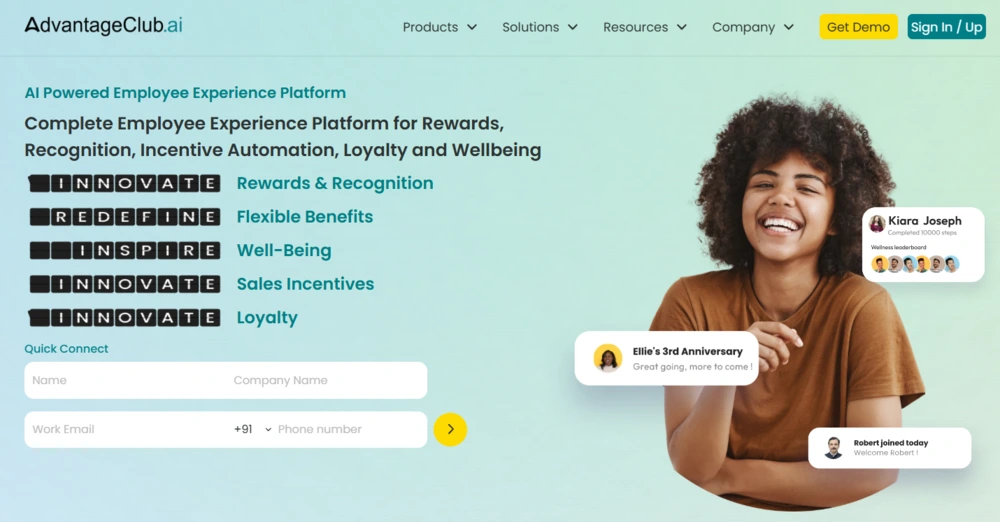
AdvantageClub solves this by making recognition a regular part of your process. You can set up automatic rewards for milestones like birthdays, work anniversaries, onboarding, and performance, so everyone feels included. Employees can also pick the rewards they want, making recognition more personal. Over time, this leads to higher motivation, better morale, and a workplace where appreciation is part of daily life.
Key Features
- Point-based recognition and rewards: Employees can earn points for their work and redeem them for rewards they select.
- Peer-to-peer appreciation: Employees can instantly recognize each other with likes, comments, and shout-outs.
- Automated milestone rewards: The system automatically celebrates birthdays, work anniversaries, onboarding, and other key moments, so there is no need for manual tracking.
- Large global rewards catalogue: Offers access to 10,000+ reward options, including gift cards, experiences, travel, merchandise, and wellness benefits across 100+ countries.
- Monetary and non-monetary awards: Supports a mix of cash rewards, gift cards, experiences, and symbolic appreciation.
- Team and performance awards: Helps you recognise both individual and team achievements through structured programs.
- Gamification features: Uses badges, leaderboards, and certificates to make recognition more engaging and fun.
- AI-driven insights and analytics: Shows how recognition is being used, redemption trends, and the overall impact on engagement and retention.
- Customizable programs and branding: Allows you to tailor recognition programs to match your company culture and values.
Pricing
- Custom pricing based on organization size and requirements
- Free demo available on request
G2 Rating ⭐ 4.6 out of 5
Best Employee Engagement Tools for Performance Management
6. 15Five
Key features
- Regular check-ins and continuous feedback: This makes it easier to track employees’ progress and deal with any issues before they grow.
- Goal setting and tracking: Employees can see their goals and understand how their work fits with the team’s priorities.
- Structured performance reviews: Makes performance conversations more meaningful and focused on growth rather than just ratings.
- One-on-one meeting support: This keeps conversations between managers and employees organized and consistent.
- Recognition and appreciation tools: Managers are encouraged to notice effort and progress, which can boost motivation.
- Employee engagement surveys: These surveys show how employees feel and help you find any gaps in engagement.
- Reports and insights: You get a clear view of performance trends and team progress without needing to micromanage.
- Easy-to-use interface: Keeps adoption simple, so employees actually use the platform.
Pricing
- Starts at $4 per user/month
G2 Rating ⭐ 4.6 out of 5
Also Read: 10 Ways to Improve Mental Health at the Workplace
7. Culture Amp
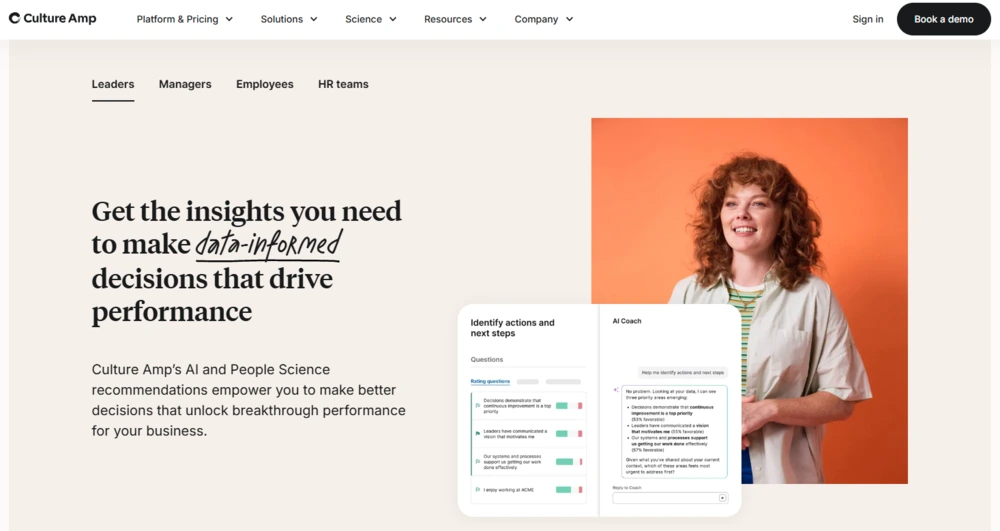
Rather than just running a yearly survey and moving on, Culture Amp encourages regular check-ins, making it easier to see changes over time. It’s especially helpful as it goes beyond just collecting data. You can spot patterns, compare your results to industry standards, and take action, so feedback actually leads to improvement.
Key features
- Employee engagement and pulse surveys: Helps you regularly measure morale, motivation, and overall employee sentiment.
- Anonymous feedback: Encourages honest responses by protecting employee identity.
- Survey customization: Allows you to tailor questions for engagement, onboarding, performance, or inclusion.
- 360-degree feedback: Collects feedback from managers, peers, and direct reports to give a balanced view of performance and development.
- Advanced analytics and dashboards: Turns feedback into clear insights that are simple to understand and easy to share.
- Benchmarking against industry data: Let’s you compare your engagement results with those of similar organizations.
- Action planning tools: Supports follow-ups so feedback turns into visible action.
- Continuous feedback support: Enables regular listening instead of one-time surveys.
- Multi-language and mobile access: Makes it easy for global and frontline teams to participate.
Pricing
- Custom pricing based on organization size and needs
G2 Rating⭐ 4.6 out of 5
8. Engagedly
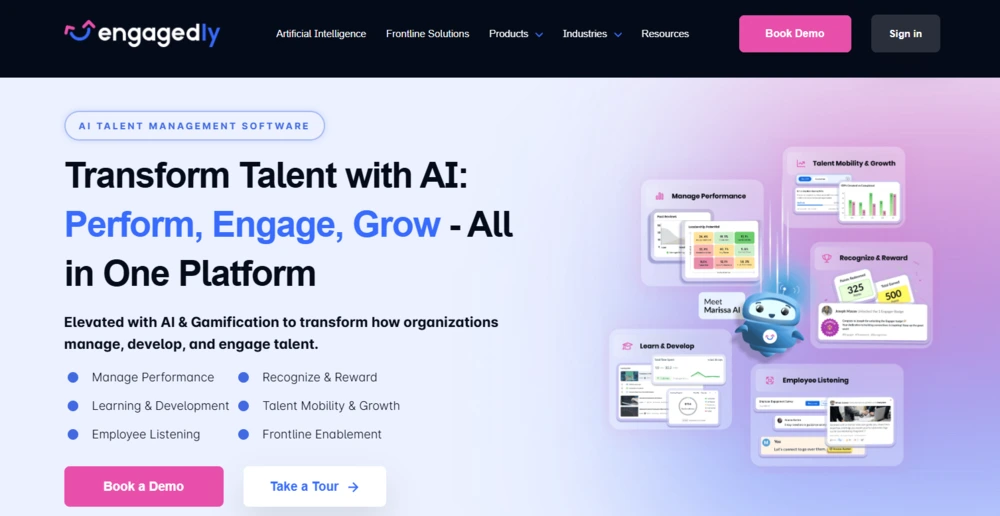
The platform uses AI in the background to guide goal setting, feedback, learning paths, and career development, but the experience stays simple for employees and managers. When used consistently, Engagedly helps employees feel supported, recognized, and clear about where they are headed, which directly improves engagement and retention.
Key features
- Performance management and reviews: Makes it easy to hold regular reviews, track goals, and check in with employees, so performance conversations happen throughout the year instead of just once.
- 360-degree feedback: Collects feedback from managers, peers, and team members to give employees a balanced view of their performance.
- Goal management and OKRs: Helps employees understand priorities and see how their work connects to larger business goals.
- Employee engagement and pulse surveys: Let’s you regularly check in on how employees are feeling and spot engagement issues early.
- Recognition and rewards: Makes it easy to recognize good work through badges, points, and public appreciation.
- Learning and development support: Helps employees build skills through personalized learning paths and development plans.
- Career growth and talent mobility: Supports career pathing so employees can see growth opportunities within the organization.
- Gamification features: Uses badges, leaderboards, and achievements to keep participation high and engagement consistent.
- AI-driven insights and analytics: Provides insights on performance, engagement, and growth trends to support better decisions.
- Integrated employee experience: Connects performance, learning, feedback, and recognition in one system to reduce tool fatigue.
Pricing
- Custom pricing based on organization size and modules selected
G2 Rating ⭐ 4.4 out of 5 (approx.)
Quick read: 15 Top Fun Friday Games & Activities For Employees In Office
Best Tools for Wellness & Balance
9. Headspace
Key features
- Guided meditation and mindfulness content: Helps employees manage stress, improve focus, and stay mentally balanced during workdays.
- Sleep and relaxation support: Supports better sleep quality, helping employees feel more rested and productive.
- Focus and productivity tools: Helps employees stay present and manage distractions during work hours.
- AI mental health companion: Offers private, always-available support to help employees navigate daily stress and emotional challenges.
- Burnout prevention support: Helps employees manage stress early before it leads to disengagement or time off.
- Benefits navigation and guidance: Helps employees understand and access existing mental health benefits like EAPs when needed.
- Insights and reporting for organizations: Gives you visibility into engagement and usage trends without compromising employee privacy.
Pricing
- Business plans available on request.
G2 Rating ⭐ 4.6 out of 5
10.Onsurity
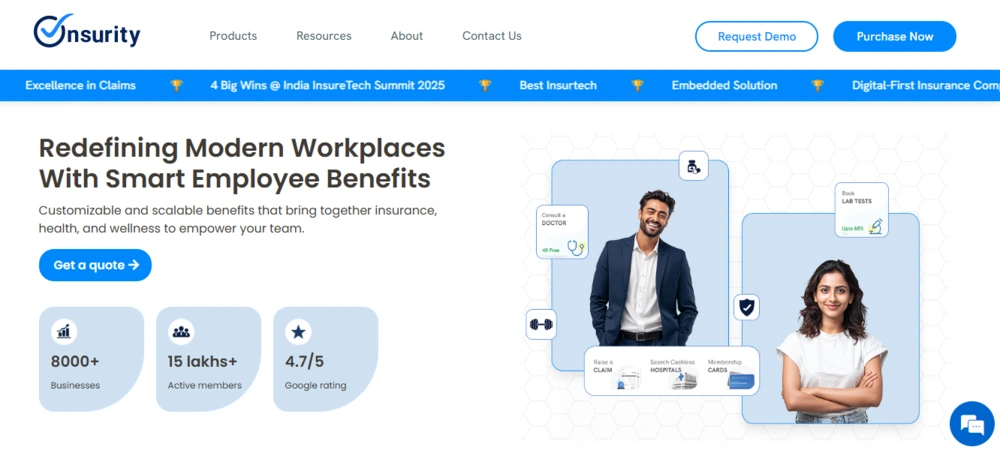
Onsurity is built to support employee engagement by taking care of one of the biggest concerns employees have today: health and well-being. When employees worry about medical costs, benefit access, or healthcare support, it affects their focus and performance at work.
Onsurity brings healthcare plans, preventive care, and wellness benefits together on one platform, making it easier for employees to look after themselves and their families. With monthly plans, digital access, and everyday health benefits, employees don’t have to wait for emergencies to use their benefits. This sense of security and support helps reduce stress and builds trust, which plays a direct role in long-term engagement and retention.
Key features
- Preventive healthcare and wellness benefits: Includes discounted health check-ups, medicines, and wellness support to help employees stay healthy early.
- Mental health support and doctor consultations: Provides access to online doctor consultations and mental health support when employees need it.
- Comprehensive healthcare plans: Offers group healthcare plans that support employees and their families.
- Flexible monthly plans: Allows you to pay monthly and only for active employees, making benefits easier to manage.
- Gym and fitness benefits: Gives employees access to discounted gym memberships and fitness programs.
- Digital and paperless experience: Simplifies onboarding, access, and benefit usage with minimal paperwork.
- Good Doctors support: A dedicated team of qualified doctors assists your team throughout the hopitalization process, offering support at every step.
Pricing
- Custom pricing based on benefits selected and team size
- Monthly payment options available at just Rs. 145/month
G2 Rating ⭐ 4.3 out of 5
Also read: Top 15 Employee Retention Strategies
Key Benefits of Using Employee Engagement Tools
There are limitless benefits to using an employee engagement platform at your company. Introducing the right tool can transform your workplace culture, boost employee productivity, and create a positive employee experience. Now, let’s understand some of the main advantages of using employment engagement tools:
1. Improved employee satisfaction
2. Higher productivity and focus
3. Stronger workplace culture
4. Better retention and reduced attrition
5. Support for remote and hybrid teams
6. Actionable insights for better decisions
Most employee engagement tools provide data on participation, sentiment, and trends. This helps organizations understand what is effective, what is not, and where they can improve their engagement efforts.
These benefits make employee engagement tools important for building a strong and motivated workforce. They help support employee well-being and improve organizational performance, laying the groundwork for long-term success.
How to Measure Employee Engagement
To get a clearer picture, focus on the following key indicators:
1. Participation rates
2. Satisfaction scores
3. Productivity
4. Retention
Tools and methods to measure engagement
1. Pulse surveys
2. Feedback software
3. Wellness program adoption
If you offer wellness benefits, track how many employees actually use them. When employees use wellness tools, it often means they trust the company and feel supported beyond just work tasks.
Also read: Top 10 Employee Wellness Programs in the Workplace
How to Choose the Right Engagement Tools
You can also think a bit ahead and check if the tool can support you as your team grows. A good way to do this is by trying it with a small group first. Their feedback will help you understand what works well and what needs improvement before you roll it out to everyone.
Conclusion
Employee engagement is not driven by a single tool or one initiative. As this blog shows, it comes from a combination of clear communication, regular feedback, recognition, performance support, and employee well-being. Collaboration tools help teams stay connected, feedback and performance tools help employees feel heard, and recognition builds motivation. But engagement becomes stronger and more sustainable when employees also feel secure about their health and well-being.
This is where platforms like Onsurity add real value to an engagement setup. When employees have access to preventive health check-ups, online doctor consultations, mental health support, fitness benefits, and clear support during hospitalisation through the Good Doctors team, everyday stress reduces. Employees are not left worrying about healthcare access or claims during difficult moments. That sense of support builds trust and allows employees to focus better on their work.
When engagement tools and wellness benefits work together, organizations see better retention, stronger morale, and more consistent performance across teams.
FAQs
1. What is the primary function of an employee engagement tool?
2. How much do employee engagement tools cost?
3. What features should I look for in employee engagement tools?
4. What are the measurable business benefits of investing in employee engagement tools?
5. How do I choose the right employee engagement tool?

Senior Executive – Content
Payal specializes in the healthcare, wellness, and insurtech space, with a strong focus on educating businesses about insurance and employee wellbeing. She is passionate about simplifying an industry that is often misunderstood and filled with complex jargon, translating it into clear and practical insights that organizations can easily understand and act on. Through her work, she aims to make the insurance ecosystem more transparent and accessible, helping businesses recognize that prioritizing employee wellbeing is not just a benefit but a responsibility.