 Onsurity Editorial
 January 30, 2026
 9 min read
 511
511Table of Contents
The Changing Definition of Workplace Wellness
With everything happening around the world, increasing use of social media, endless news updates, poor sleep quality, and daily pressure of personal and professional expectations, your employees might be at a greater risk of being exposed to mental health issues. And these stressors don’t stay outside the office; they affect employees’ overall performance at work, often leading to missed deadlines, difficulty concentrating, emotional fatigue, and a visible drop in energy across teams. Over time, organizations begin to see the impact more clearly: rising attrition, falling productivity, teams losing momentum, and high-performing employees burning out much faster.
When mental health has such a strong influence on how your employees feel and perform, relying only on basic health insurance isn’t enough. To build a thriving workforce, you need a more holistic approach, one that supports not just physical well-being but emotional, mental, and social needs too because these are the areas that directly influence focus, productivity, teamwork, and retention.
Depression and anxiety alone are costing organizations 12 billion working days and US$1 trillion every year, showing just how closely mental health is tied to business performance. Mental well-being is no longer something organizations can treat as optional. It has become a core pillar for building stable teams, reducing attrition, and creating a workplace where people can genuinely perform at their best.
This blog dives into the details of why organizations need to build effective wellness programs that tackle mental health crisis at workplace and other steps employers can take to support their employees beyond the basic health insurance coverage.
Why Employee Mental Health Matters
Employees spend most of their day at work, so the workplace naturally becomes their second home. It should be a place where they can be honest and vulnerable and still feel supported. That is the core of employee mental health. If the workplace is supportive, employees feel stronger and more balanced. If it isn’t, stress follows them everywhere.
Mental health isn’t something employees switch off when they enter the office; it comes with them. And it directly affects how they think, work, and interact throughout the day. Furthermore, these issues can impact:
1. Productivity and creativity
2. Employee retention and morale
3. Absenteeism and presenteeism
4. Workplace relationships and culture
Unmanaged stress turns into frustration, conflict, and miscommunication. But when people feel supported, they communicate better, handle pressure with maturity, and build a healthier work culture.
Also read: 10 Ways to Improve Mental Health at the Workplace
Common Workplace Stressors That Impact Mental Health
1. Long working hours or lack of flexibility
2. Role ambiguity or workload pressure
3. Lack of recognition or support
4. Remote work isolation
His virtual meetings feel empty. Cameras off, no small talk, no connection. He feels alone even while being online with the whole team.
Arjun’s day is just one example, but thousands of employees go through these same stress cycles or even more every single day, and that too silently, without any support.
Did you know? 47% of Indian employees report workplace stress as their top mental health issue.
Suggested read: Wellness Benefits in Group Health Insurance
ROI of Integrating Mental Health into Workplace Wellness
A study by WHO found out that every $1 spent on mental health leads to a return of $4 due to better productivity, fewer sick leaves and better overall performance. This shows that investing in mental health support pays for itself and also gives more than what you put in.
Now let’s look at what companies lose when mental health is ignored. Deloitte reports that Indian businesses lost Rs. 1.1 lakh crore in a single year due to absenteeism and presenteeism. Add the cost of burnout-driven attrition, which can cost organizations several lakhs to replace just one employee.
While companies lose such large amounts every year due to mental health related issues, the investment needed to support employees is surprisingly small. A health and wellness membership from Onsurity starts at just Rs. 149 per employee per month, for almost amount negligible compared to the cost of one team lunch, you give your employees access to mental health consultations, preventive care, wellness tools, and support that can save the organization lakhs in the long run.
Companies that prioritize mental health also attract and retain better employees and are seen as a favourable choice among current and prospective talent. This enhances their reputation, earns positive recognition from clients and partners, and positions them as people centric. It’s a simple investment that improves both workplace morale and long-term business performance.
What Effective Mental Health Support Looks Like
So now you know why mental health is important in a workplace and how it can take your employee satisfaction to the next level, but how do you start promoting it?
HRs and managers can introduce strategies that help to reduce workplace burnout and enhance productivity. Some of them are as follows:
1. Employee Assistance Programs (EAPs)
2. Access to therapy or counselling
3. Stress management and mindfulness sessions
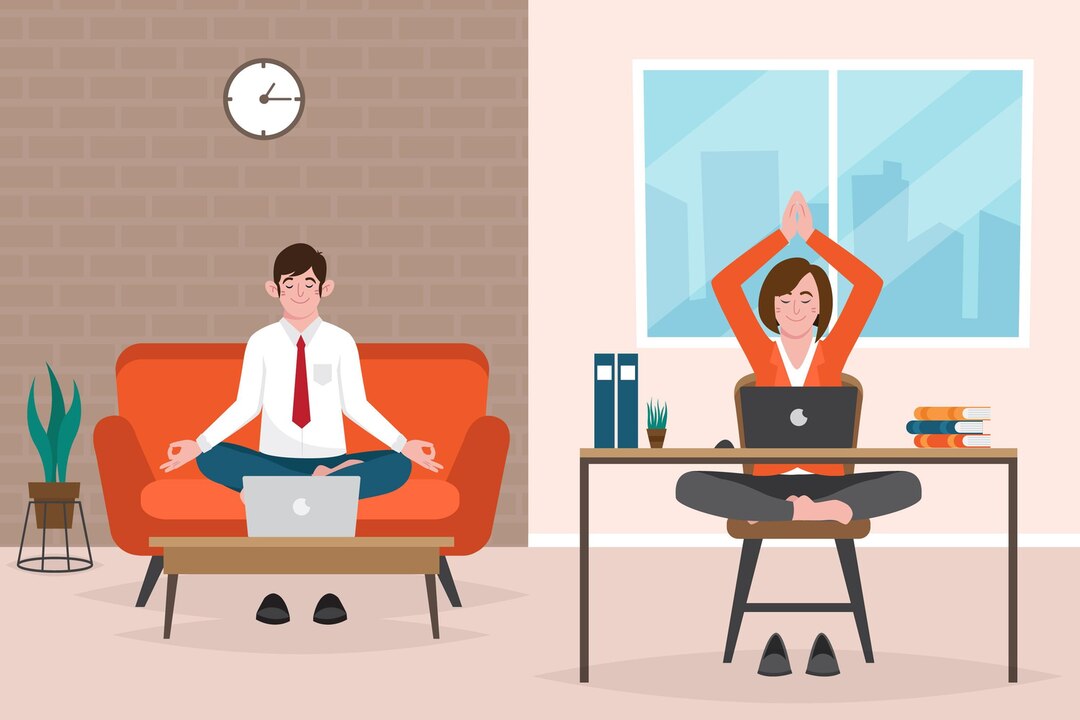
Having mindfulness sessions are a great way to reduce stress in the middle of a fast-paced workweek; even these sessions once a week or month help employees reset their minds from the stress, they are handling. A short breathing exercise or meditation session can help them calm down their racing minds and also teach them practical ways to manage pressure, stay calm, and stay focused on work.
4. Manager sensitivity training
How an employee feels at work depends highly on their manager. Having a supportive manager who listens can help reduce stress and anxiety and make employees feel at ease. Through sensitivity training, like equipping managers with mental health workshops or live training, they can understand signs of stress and respond with empathy. They can be a safe space for their employees, which in turn makes the entire team feel lighter and supported.
5. Peer support groups
6. Regular employee check-ins or surveys
Your employees deal with a lot of stress every day but are mostly quiet about it; they need someone to ask them how they are, and this can be done through employee check-ins or surveys, which give them a safe space to share what’s on their mind.
One-on-one conversations between employees and managers can be planned to discuss work, stress levels, and overall well-being. These small conversations help managers and HRs catch early signs of stress before it turns into burnout.
Quick read: 10 Ways to Improve Work-Life Balance for Your Employees
Integrating Mental Health into Your Workplace Wellness Plan
Having mental health in your workplace wellness plan is a way to show your team that you care for them. An employee goes through a lot, at work and outside work, and to keep them going, you need a plan that understands their triggers, supports them when they need help, and keeps their mind at peace so they can focus better.
Here are a few simple steps that can help you put this into action:
1. Assess current employee well-being and stress triggers
Talk to your employees, make them feel that their privacy is protected, and leverage anonymous surveys to understand what affects them and understand the common trigger points. This will help you understand their mental state better.
2. Identify suitable wellness partners or platforms
3. Start small: Pilot mental health sessions or EAPs
4. Communicate initiatives openly to employees
5. Measure engagement and gather feedback
After rolling out all these initiatives, it is very important to track them, look at participation numbers, session attendance, EAP usage, and small shifts in team behavior.
Just as important is listening to employees about what they liked, what felt irrelevant, and what they wish existed; their feedback shows you which area needs improvement and what’s genuinely helping. Tracking these insights will help you refine the program and avoid wasted efforts and build a plan that matches what your employee truly needs.
Recommended read: Top 10 Employee Wellness Programs in the Workplace
How Onsurity Makes Workplace Wellness Holistic
Onsurity is built to provide employees with health and wellness benefits that go beyond the basics. Keeping mental health as our core priority, we have the Onsurity app, through which employees can easily book instant calls with therapists, psychiatrists, or doctors when they feel anxious, stressed, or mentally drained.
Our health and wellness membership also provides employees with discounted access to Cult Fit and FITPASS, which helps them access the best physical trainers and multiple workout formats which keep their body and mind balanced. Preventive checkups help spot early signs of stress-related health issues, so concerns can be addressed before they grow.
And when someone is dealing with a serious medical issue, Onsurity’s Good Doctors team stays with them through hospitalization and recovery, a level of support that eases emotional stress for both employees and their families. The fully digital onboarding and claims process also removes the usual paperwork and frustration, making healthcare feel simple and manageable. Empower your workforce with a wellness plan that genuinely supports mental well-being. Discover how Onsurity can help.
The Future of Workplace Wellness is Mental Wellness
Mental health is a very important component of health and wellness plans. It is one of the strongest drivers of trust, performance, and long-term employee loyalty. When organizations prioritize mental health, their employees feel safer and more understood and bring their best to work.
HRs today have an opportunity to build people-centric workplaces where mental health is normal to talk about and easy to take care of.
Ready to build a workplace where your team feels stronger, healthier, and supported?
Explore Onsurity’s workplace wellness solutions today.
FAQs:
1. What is workplace wellness?
2. Why is mental health important in the workplace?
Mental health directly affects employees’ productivity. When employees are stressed or overwhelmed, they cannot focus on work, don’t bring their best output to the table, and hence their productivity decreases. Supporting mental health helps employees stay engaged and motivated in their work, which increases their overall performance.
3. How can HR promote employee mental health?
HR can promote employee mental health by training managers to spot signs of stress, offering access to counselling sessions or EAPs, encouraging open communication, and promoting a healthy work-life balance. Many companies also partner with health and wellness platforms, which gives easier access to mental health consultations, preventive care, and other resources that make it easier for employees to get the right care and support.
4. What are examples of mental health support programs?
Mental health support programs include Employee Assistance Programs, counselling or therapy sessions, stress reduction or mindfulness workshops, and a digital platform that offers easy access to mental health consultations. Some companies also run peer circles or support groups that help employees share their experiences, feel supported, and help them feel that they know that they are not alone in this.