Group Health Insurance glossary
Network vs Non-Network Hospitals
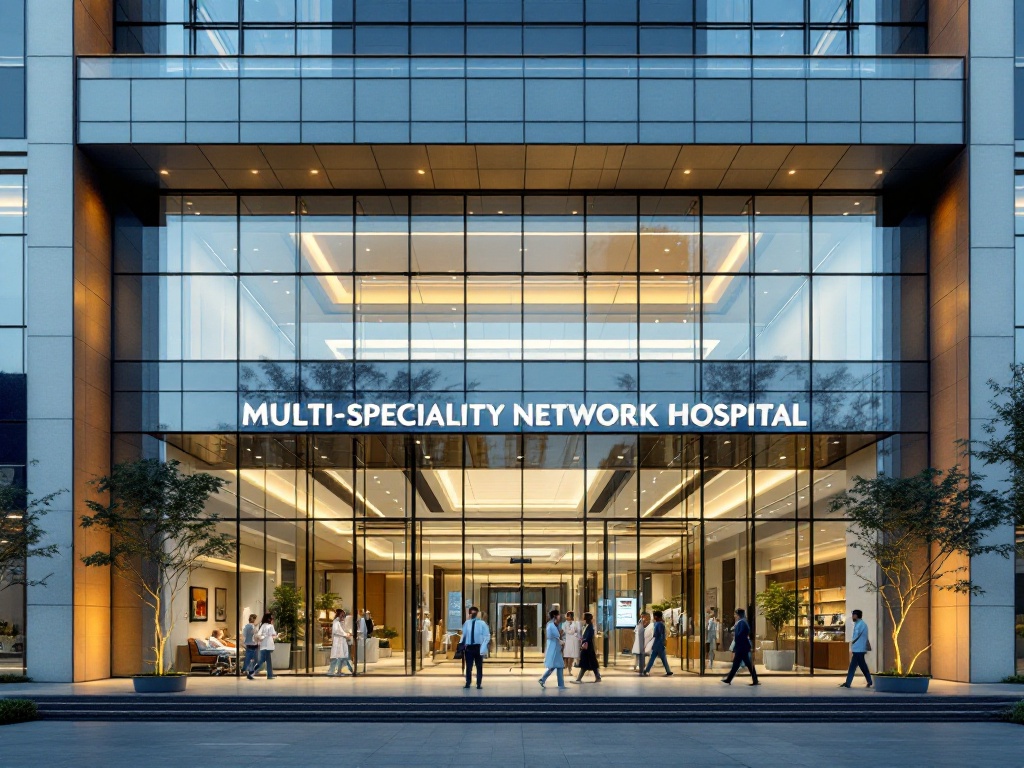
A network hospital is one empanelled with your insurer or TPA, where an approved claim is settled cashless — the insurer pays the hospital directly. A non-network hospital has no such tie-up, so the employee pays the full bill upfront and files a reimbursement claim later.
Key takeaway
The approved claim is identical either way — a network hospital settles it cashless, while a non-network one means paying the full bill upfront and waiting weeks for the refund.
How network vs non-network works in a group plan
Every insurer maintains a list of network hospitals — facilities it (or its third-party administrator) has empanelled and agreed rates with. At any of these, your team can use a cashless claim: the hospital sends the estimate to the insurer, gets pre-authorisation, and the insurer settles its share directly with the hospital.
A non-network hospital is simply one outside that list. Cover still applies — the difference is the settlement route. The employee pays the entire bill at discharge, collects the invoices, discharge summary and diagnostic reports, and then submits a reimbursement claim. The insurer reviews it and pays the approved amount back to the employee, usually within a couple of weeks.
The coverage maths is identical either way: the same sum insured, the same sub-limits, and the same exclusions apply. What changes for the employee is cash flow and effort — funding the bill first and waiting for a refund, versus walking out having paid only their own share.
The same hospitalisation, two hospitals
An employee is hospitalised with a final bill of ₹3,00,000. The insurer disallows ₹40,000 of non-admissible items, leaving an approved claim of ₹2,60,000. Here is how the day plays out at each type of hospital.
Network hospital (cashless)
at discharge — just the non-admissible items. The insurer pays ₹2,60,000 to the hospital.
Non-network hospital (reimbursement)
upfront, then files a claim and recovers ₹2,60,000 weeks later. Net cost is still ₹40,000.
The final out-of-pocket cost is the same ₹40,000 in both cases — but the non-network route forces the employee to arrange ₹3,00,000 in cash during an emergency and wait for the refund. That cash-flow gap, not the coverage, is what makes network access matter.
Why the network matters for employers
The size and spread of the cashless network quietly decides how good your benefit feels in practice. A generous sum insured means little if the nearest empanelled hospital is an hour away and your employee ends up paying several lakh rupees upfront at the hospital next door.
Non-network hospitalisation also creates HR overhead. Reimbursement claims mean chasing documents, explaining deductions, and fielding anxious questions about when the money will land — all avoidable when a claim runs cashless. A dense network shifts that friction off your team and off your desk.
So when you compare plans, look past the headline cover and ask about network breadth near your offices, how easy it is for an employee to confirm a hospital is empanelled, and how quickly reimbursement is settled when a non-network hospital is unavoidable — in an emergency, employees do not always get to choose the hospital.
How Onsurity handles network access
Onsurity group plans run cashless across a network of 10,000+ hospitals, so for most hospitalisations the employee simply shows their digital health card and settles only their own share at discharge — no lump-sum outlay, no waiting on a refund. Employees can check whether a hospital is empanelled from inside the Onsurity Super App before admission.
When a non-network hospital is unavoidable — an emergency far from home, say — the Good Doctors concierge, staffed by real doctors, walks the employee through the reimbursement claim process: which documents to keep, how to file, and what to expect, so the refund is not delayed by missing paperwork.
HR tracks every plan, member and claim in one place on the TeamSure dashboard, and day-1 cover options mean the benefit is live from the joining date — so a new employee is protected at both network and non-network hospitals from their first day.
Frequently asked questions
What is the main difference between a network and a non-network hospital?
A network hospital is empanelled with your insurer or TPA and settles an approved claim cashless — the insurer pays the hospital directly. A non-network hospital has no tie-up, so the employee pays the full bill and later files a reimbursement claim.
Can an employee still claim if they use a non-network hospital?
Yes. Cover is not lost at a non-network hospital — only the settlement route changes. The employee pays the bill in full, keeps all invoices, discharge summary and reports, and submits a reimbursement claim. The insurer then pays the approved amount, minus any non-admissible items, to the employee.
Why is cashless at a network hospital better for employees?
It removes the upfront outlay. On a cashless claim the employee does not have to arrange several lakh rupees at admission or wait weeks for a refund. They settle only their co-pay and non-medical items at discharge, so a medical emergency does not become a cash-flow emergency.
Does the reimbursed amount differ from the cashless amount?
The approved claim is calculated the same way in both routes — the insurer applies the same sum insured, sub-limits and exclusions. The practical difference is timing and cash flow: reimbursement means the employee funds the whole bill first and recovers the approved portion later.
How can an employer maximise cashless access for a team?
Choose an insurer or TPA with a wide, well-distributed network near your offices, and give employees an easy way to check network status before admission. Onsurity surfaces the 10,000+ cashless hospital network in the Super App so an employee can confirm a hospital is empanelled before they walk in.
Want a wider cashless network for your team?
Get a group health quote and see the cashless hospital network near your offices, alongside sum insured and premium for your headcount.
Get a group health quote